
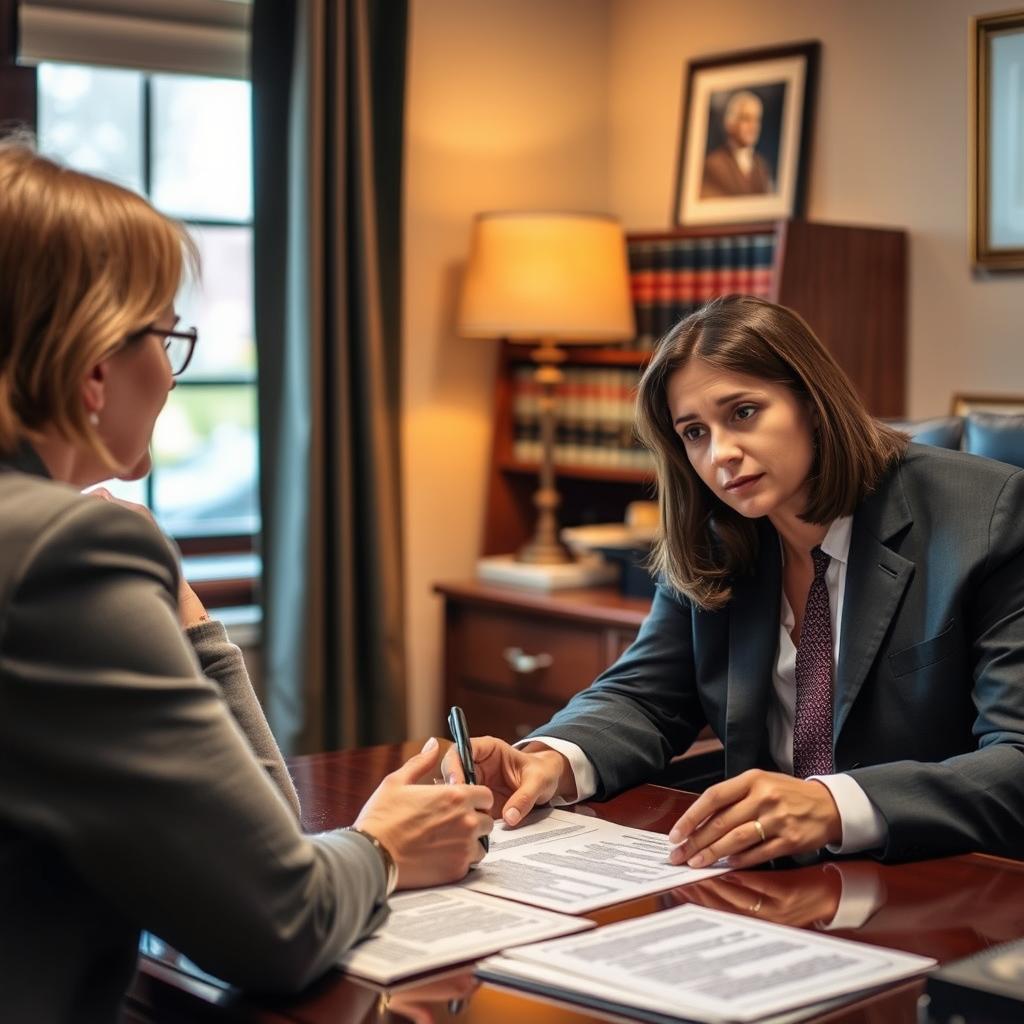
Visitation Lawyer Tompkins County, NY
When parents separate or divorce, visitation—often called parenting time—determines how each parent stays involved in a child’s life. In Tompkins County, New York, these disputes are resolved in the Tompkins County Family Court, which is part of the New York State Unified Court System. The court applies the “best interests of the child” standard and weighs factors such as the child’s age, each parent’s relationship with the child, and the ability of each parent to encourage a relationship with the other. Many visitation cases arise as part of a divorce or custody matter in the Supreme Court, but Tompkins County Family Court handles standalone petitions for visitation orders, modifications, and enforcement. Having an attorney who understands the local judges, court procedures, and the nuances of New York’s Domestic Relations Law and Family Court Act can help you present a clear and compelling case. Mr. Sris and his Of Counsel team at Law Offices Of SRIS, P.C. represent parents and other relatives in visitation matters throughout Tompkins County—including Ithaca, Dryden, Lansing, Trumansburg, Groton, Newfield, Caroline, and Enfield. For a consultation, reach our firm at (888) 437-7747.
Law Offices Of SRIS, P.C. – Advocacy Without Borders.
Visitation Disputes in Tompkins County, New York
Tompkins County lies in the Finger Lakes region and is home to Cornell University and Ithaca College, which means visitation cases here sometimes involve parents who are students, faculty, or staff with demanding academic or professional schedules. The Tompkins County Family Court, located at 320 North Tioga Street in Ithaca, hears matters involving custody, visitation, child support, paternity, and family offense petitions. For visitation orders that are incident to a divorce, Tompkins County Supreme Court—the trial court of general jurisdiction in New York—may also issue a parenting time schedule as part of a broader matrimonial decree.
New York courts determine visitation by evaluating the best interests of the child. The judge considers the child’s age, physical and emotional health, the stability of each parent’s home, the quality of the parent-child relationship, and any history of domestic violence or substance abuse. Unlike custody, which designates legal decision-making authority and primary physical placement, visitation focuses on the time the noncustodial parent spends with the child, including overnight stays, weekday dinners, holidays, and school vacations. If the parents cannot agree on a schedule, the court will set one after a hearing. Because Tompkins County Family Court matters are often scheduled on a busy docket, presenting a well-prepared case is essential. Mr. Sris and his Of Counsel team are familiar with the local court and can help you present evidence, call witnesses, and negotiate a schedule that serves your child’s needs.
How Mr. Sris and His Of Counsel Handle Visitation Cases
Visitation disputes are emotionally charged, but a practical, solution-oriented approach can often resolve the matter without prolonged litigation. Mr. Sris and his Of Counsel team begin by learning your family’s circumstances, your child’s needs, and the specific obstacles that are preventing an agreement. They then explore whether a negotiated parenting plan—often with the help of a mediator or collaborative law process—can produce a stable schedule that both parents can support. When negotiation is not productive, Mr. Sris and his Of Counsel are prepared to advocate for a fair visitation order in Tompkins County Family Court. They present evidence of the child’s best interests, witness testimony, and relevant documentation to the judge. If circumstances have changed since the last order—for example, a parent has moved, a job schedule has shifted, or concerns about the child’s safety have arisen—Mr. Sris and his Of Counsel also handle petitions to modify or enforce existing visitation orders. Every case is handled with respect for the family’s privacy and a focus on reaching a resolution that promotes the child’s well‑being. Contact our firm at (888) 437-7747 to discuss your situation.
About Mr. Sris and His Of Counsel Team
Mr. Sris, Owner and Founder of Law Offices Of SRIS, P.C., has practiced law since 1997 and is admitted in New York, Virginia, Maryland, the District of Columbia, and New Jersey. A former prosecutor, Mr. Sris brings trial experience and a disciplined approach to family law disputes. He testified before the Virginia House Courts of Justice Committee in support of 2019 HB 635 (chief patron Del. David Bulova), which revised Virginia’s equitable distribution statute. Mr. Sris and his Of Counsel team bring extensive combined legal experience to visitation and other family law matters. They understand that every family is unique, and they work to achieve an outcome that allows parents and children to move forward with stability and clarity.
Frequently Asked Questions
Do I need a lawyer for a visitation case in Tompkins County?
You are not required to have a lawyer for a visitation case in Tompkins County Family Court, but legal representation can help you navigate procedural rules, present evidence effectively, and negotiate a schedule that serves your child’s best interests. The court will apply the trusted‑interests standard, and an experienced attorney can help you frame your requests in a way the judge understands. If the other parent has an attorney, you may be at a disadvantage without one. For a consultation, reach Mr. Sris and his Of Counsel at (888) 437-7747.
How does the court determine a visitation schedule?
The court determines a visitation schedule by evaluating the best interests of the child—considering factors such as the child’s age, the quality of the parent‑child relationship, each parent’s ability to provide a stable environment, and any history of domestic violence or substance abuse. The judge may also consider the child’s preference if the child is mature enough. The court often encourages parents to agree on a schedule; if they cannot, the judge will issue a schedule after a hearing. The schedule may include weekday evenings, alternating weekends, holidays, and extended summer time.
Can visitation orders be modified after the court issues them?
Yes, visitation orders in New York can be modified when there is a substantial change in circumstances that affects the child’s best interests. For example, a parent’s relocation, a change in work schedule, or concerns about the child’s safety may justify a modification. The party seeking the change must file a petition and demonstrate why the new arrangement better serves the child. The court will hold a hearing and make a determination based on the evidence.
What if the other parent refuses to follow the visitation order?
If the other parent violates a visitation order, you can file a violation or enforcement petition in Tompkins County Family Court seeking to compel compliance. The court may order make‑up parenting time, impose fines, or modify the existing order to prevent further violations. In severe cases, the court may hold the non‑compliant parent in contempt. Collecting evidence—such as a log of missed visits, text messages, and witness statements—can strengthen your petition.
How is visitation different from custody?
Custody determines legal decision‑making authority and primary physical placement, while visitation defines the time the noncustodial parent spends with the child. Legal custody involves the right to make major decisions about education, health care, and religion; physical custody determines where the child lives. Visitation, sometimes called parenting time, is the schedule for the noncustodial parent’s contact with the child. A parent may have visitation even if they do not have custody.
What should I bring to a consultation with a visitation lawyer?
Bring any existing custody or visitation orders, any parenting plan you have proposed, a log of contact with the other parent, and documents that show your involvement in the child’s life, such as school records or medical appointment summaries. Also bring a timeline of recent events and any evidence of the other parent’s conduct that you believe is relevant. This information helps Mr. Sris and his Of Counsel assess your case and advise you on the next steps.
Manhattan visitation attorneys |
Brooklyn family law counsel |
Queens custody and visitation lawyers |
Nassau County family law representation
Official resources:
Tompkins County Family Court – NY Courts |
New York Domestic Relations Law – Visitation |
New York Family Court Act
Attorney advertising. Prior results do not guarantee a similar outcome.
Case results depend on a variety of factors unique to each case.
Results may vary.