
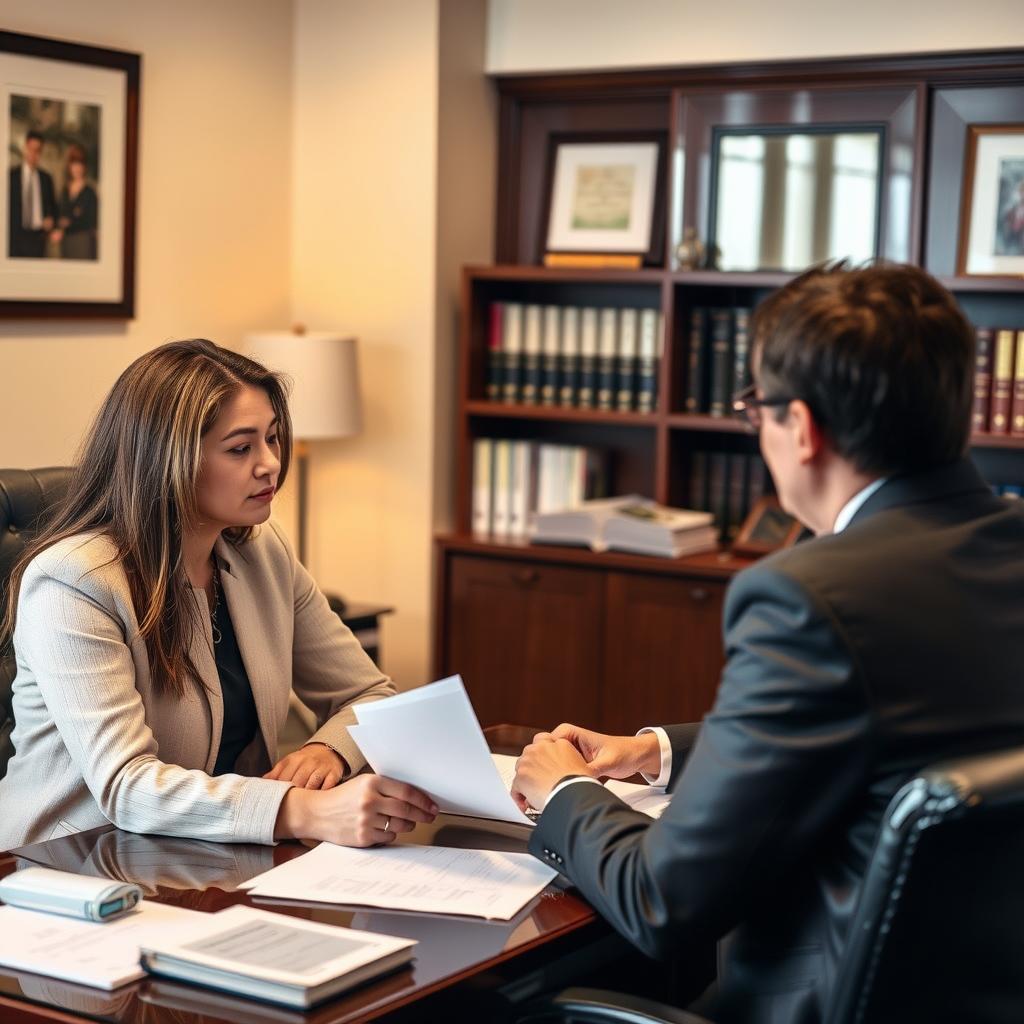
Visitation Lawyer Rockland County, NY
You’ve just come through a difficult separation or a custody dispute, and now the routine you once took for granted—seeing your child after school, weekend soccer games, quiet evenings at home—has become uncertain. You want a clear, enforceable schedule that protects your relationship with your child, and you need to know how the Rockland County Family Court system actually works. Law Offices Of SRIS, P.C. Concentrates on helping parents in Rockland County secure fair visitation orders and resolve disputes without unnecessary court battles. Mr. Sris and his Of Counsel bring extensive combined legal experience. Results may vary. Reach our location at (888) 437-7747 to schedule a consultation. Law Offices Of SRIS, P.C. – Advocacy Without Borders.
Your Visitation Strategy Options in Rockland County
When you are trying to establish or modify a visitation arrangement, your first decision is whether you can reach an agreement with the other parent outside of court. Many families in New City, Nanuet, Spring Valley, and the surrounding Hudson Valley communities choose to work out a detailed parenting plan with the help of counsel, then submit it to the Rockland County Family Court for approval. When both parties cooperate, the process is more predictable and less stressful for everyone—especially the child.
If an agreement isn’t possible, you may need to ask the court to decide. In Rockland County, that usually means appearing before a Family Court judge or a support magistrate. The court’s focus is the best interests of the child. An attorney who knows the tendencies of the local bench, the expectations for evidence, and how to present a parent’s willingness to facilitate the child’s relationship with the other parent can make a significant difference in the outcome. Mr. Sris and his Of Counsel handle both negotiated settlements and contested hearings. They prepare you for what to expect at each stage and work to keep the proceeding focused on your child’s well‑being.
What to Expect in Rockland County Family Court
Rockland County Family Court is located in New City, New York, and handles all matters involving custody, visitation, child support, paternity, and family offense petitions. If your case also involves a divorce or an equitable distribution of marital property, those claims will be heard in the New York Supreme Court for Rockland County. The two courts often coordinate, but the visitation issue will typically proceed in Family Court unless it is part of an ongoing divorce action.
When you file a petition for visitation, the court will schedule an initial appearance. At that first conference, the judge or referee may encourage the parties to explore settlement options, including mediation or a temporary access schedule. If you cannot agree, the court will set a hearing date. Between conferences, you may need to provide financial disclosure, character references, or other documents the court requests. The timeline depends on the court’s calendar and the complexity of the issues, but most parents find that having an experienced lawyer reduces delays and helps them present a clear picture of their home environment and their relationship with the child.
Rockland County courts serve a diverse region bounded by the Hudson River to the east and the Ramapo Mountains to the west. Whether you live in Suffern, Haverstraw, Pearl River, Nyack, Stony Point, or Sloatsburg, our New York location is available to represent you. We know the driving routes along I‑87, the Palisades Interstate Parkway, and Route 9W that bring parents to the courthouse, and we understand the practical concerns that affect visitation schedules in a region with both urban and rural pockets.
How New York Courts Decide Visitation
New York law gives a non‑custodial parent a strong presumption in favor of meaningful access to the child, unless there is a showing that visitation would endanger the child’s safety. The governing statute, New York Domestic Relations Law § 240, directs the court to make orders of custody and visitation “as may seem necessary and proper to the court in the best interests of the child.” There is no automatic formula; the judge weighs a variety of factors drawn from the child’s age, the parents’ fitness, the relationship each parent has with the child, and the stability of each household.
Supervised visitation may be ordered if the court finds that unrestricted contact would not be in the child’s best interests. That happens most often when there are allegations of domestic violence, substance abuse, or mental health concerns. Even when supervision is initially required, a parent can later petition to modify the arrangement as circumstances change. Past results do not guarantee a similar outcome, but a carefully prepared presentation of the facts can influence whether supervision is imposed and how long it lasts. Results may vary. Every case is different.
About Mr. Sris and His Of Counsel Team
Mr. Sris, Owner and Founder of Law Offices Of SRIS, P.C., is a former prosecutor who has practiced law since 1997. He is admitted in Virginia, Maryland, the District of Columbia, New Jersey, and New York. He testified before the Virginia House Courts of Justice Committee in support of 2019 HB 635 (chief patron Del. David Bulova). His background gives him insight into how the other side builds a case, a perspective that often translates into a more strategic approach to family court litigation.
Mr. Sris leads a team of Of Counsel attorneys, all of whom work with the firm on an Of Counsel basis. The Of Counsel arrangement means that the legal team collaborates on complex family law matters, drawing on varied professional backgrounds. For your visitation case in Rockland County, you benefit from the firm’s multi‑state experience and its familiarity with the local courts. For a full statutory breakdown of New York’s family law framework, visit our main site. To discuss your specific situation, call (888) 437-7747 to request a consultation.
Frequently Asked Questions About Visitation in Rockland County
How is visitation determined in Rockland County, New York?
The court decides visitation based on the best interests of the child, considering factors like the parent‑child relationship, each parent’s fitness, and the stability of the home environment. New York law presumes that a non‑custodial parent should have frequent and meaningful access unless there is evidence of a risk to the child’s safety. In Rockland County, judges often look for a parenting plan that allows both parents to maintain a strong bond while ensuring predictability for the child. The court may set a specific schedule of days and times, including weekends, holidays, and school breaks.
Can visitation be modified after it is ordered?
Yes, a parent can petition the Rockland County Family Court to modify a visitation order when there has been a substantial change in circumstances affecting the child’s welfare. Common reasons include a parent’s relocation, a change in work schedule, the child’s evolving needs, or concerns about the other parent’s conduct. The parent seeking the change must file a modification petition and present evidence to support the request. If the parents agree on the modification, they can submit a proposed order for the court’s approval, which often simplifies the process.
What if the other parent denies me visitation?
If a parent violates a court‑ordered visitation schedule, the aggrieved parent may file a violation petition in Rockland County Family Court. The court can enforce the existing order, award make‑up time, and, in some cases, hold the violating parent in contempt. Repeated or willful interference with visitation can also become a factor in a future custody modification proceeding. Documenting each instance, including dates and circumstances, will help your attorney present a clear record to the judge.
Do grandparents have visitation rights in Rockland County?
Under New York law, grandparents may seek visitation when a parent is deceased or when other special circumstances exist, but the parent’s right to decide who visits the child is given considerable weight. A grandparent must show that a meaningful relationship with the grandchild already exists and that denying visitation would harm the child. The court still applies the trusted‑interests standard. Grandparent visitation cases can be legally complex, and having counsel familiar with these claims is important.
How can I prepare for a visitation hearing?
Start by gathering any documents that support your relationship with your child, such as photographs, school records, and communication logs with the other parent. Be ready to describe your day‑to‑day involvement in your child’s life and your willingness to encourage the child’s relationship with the other parent. Dress professionally and arrive early. Your attorney will help you focus on the evidence the court values most. The Rockland County Family Court expects parties to be respectful and organized, which helps the judge focus on the child’s needs.
Do I need a lawyer for a visitation case in Rockland County?
You are not required to have a lawyer, but representing yourself can be challenging because family court procedure and evidentiary rules still apply. An attorney who regularly appears in Rockland County Family Court understands what the judges expect, how to present evidence effectively, and when to negotiate a settlement. Even if you think your case is straightforward, having a legal advocate can help you avoid procedural missteps and increase the likelihood of a clear, enforceable order. To discuss your matter, reach Law Offices Of SRIS, P.C. at (888) 437-7747.
Additional resources for families in the Hudson Valley region:
Family Law Lawyer New York County (Manhattan)
Family Law Lawyer Kings County (Brooklyn)
Family Law Lawyer Queens County (Queens)
Family Law Lawyer Nassau County (Long Island)
Attorney advertising. Prior results do not guarantee a similar outcome. Case results depend on a variety of factors unique to each case. Results may vary.