
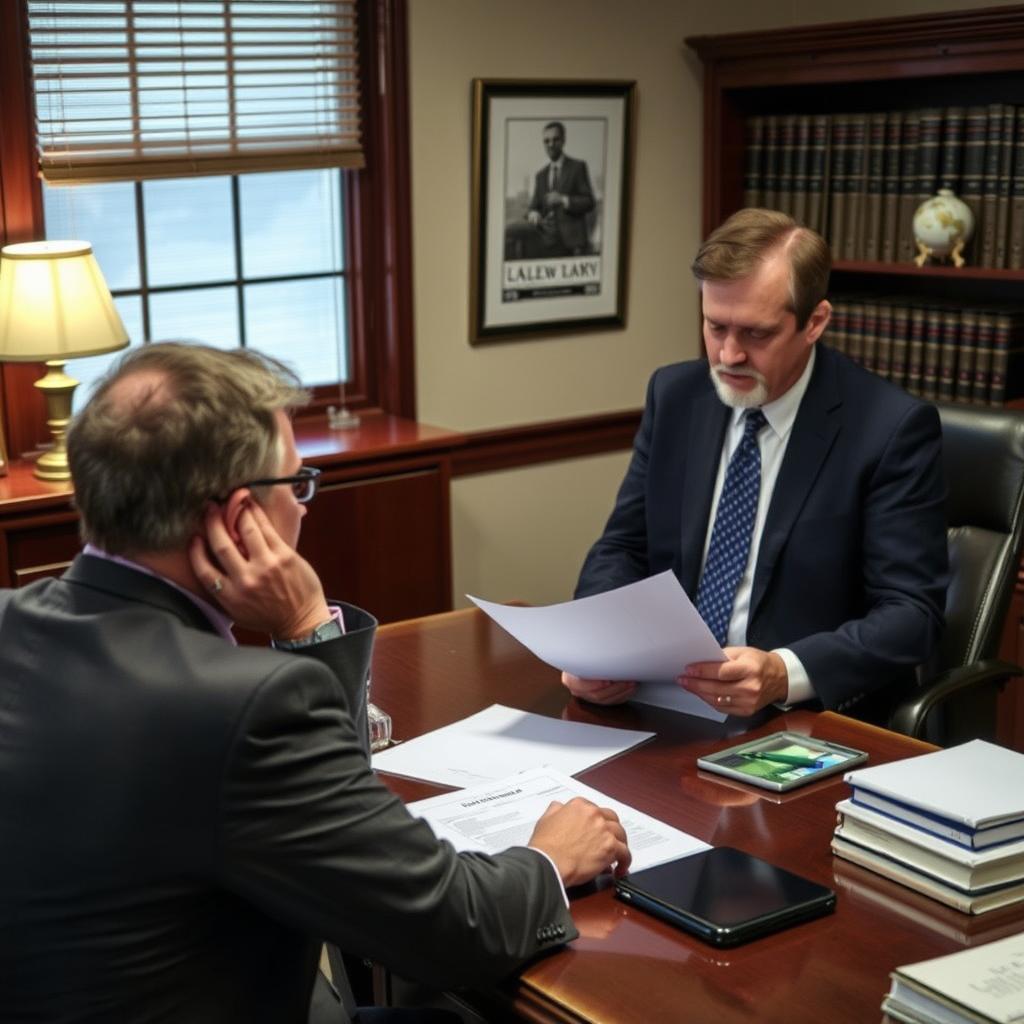
Visitation Lawyer Otsego County, NY
You share a child with someone—and after a separation, you find yourself shut out of the child’s life. You live in Cooperstown, Oneonta, or another Otsego County community, and your child is only a few miles away, but the other parent refuses to let you see them. The Otsego County Family Court can grant visitation orders that protect your relationship with your child, but the process can feel overwhelming when you are navigating it alone. Mr. Sris and his Of Counsel represent parents in visitation matters throughout Otsego County. Reach Law Offices Of SRIS, P.C. at (888) 437-7747 to request a consultation. Law Offices Of SRIS, P.C. – Advocacy Without Borders.
Strategy Options for Visitation in Otsego County
When a parent is denied time with their child, the path forward depends on the family’s circumstances. Mr. Sris and his Of Counsel begin by understanding your goals. If both parents are willing to work together, they often negotiate a written parenting plan that outlines a schedule for holidays, weekends, and school breaks. A signed agreement can be filed with the Otsego County Family Court and converted into a court order, which gives it enforceability.
When negotiation isn’t possible because the other parent is uncooperative or there are safety concerns, the firm prepares a visitation petition. In Otsego County, the Family Court judge will consider the best interests of the child under the factors set out in New York Domestic Relations Law § 240. Mr. Sris and his Of Counsel present evidence about your involvement in the child’s life, the child’s needs, and the other parent’s conduct to help the court craft a visitation schedule that works. In some cases, supervised visitation may be requested if there are allegations that could affect the child’s safety.
What to Expect When You Seek Visitation in Otsego County
Visitation cases in Otsego County begin with filing a petition in the Family Court, which is located at 197 Main Street, Cooperstown, NY 13326. The clerk’s office can provide forms, but having an attorney prepare the paperwork helps ensure the petition properly states your request and the facts supporting it. After filing, the other parent is served and has an opportunity to respond. The court typically schedules an initial appearance to identify the issues and see if an agreement can be reached. If the matter is contested, a hearing may be held where both sides present evidence.
Otsego County is within the Sixth Judicial District, and its Family Court judges are experienced in handling visitation disputes that involve local families. The timeline from filing to a final order varies based on factors such as the court’s calendar, the complexity of the case, and whether the parties reach a settlement. Mr. Sris and his Of Counsel keep you informed at each stage, explaining what to expect and preparing you for each court date.
What Happens if a Visitation Order Is Violated
When a parent withholds a child in violation of a court-ordered visitation schedule, the aggrieved parent can file a violation petition with the Otsego County Family Court. The court has authority to enforce its orders and may impose remedies such as make-up visitation time, a change in custody or visitation arrangements, or, in repeated and willful violations, consequences for the non-compliant parent. The goal is to restore the parent-child relationship, not to punish—but Mr. Sris and his Of Counsel know that effective enforcement sometimes requires the court’s intervention. They help parents document violations and present a clear record so the judge can act.
In situations where a visitation petition is denied or the other parent seeks to limit your time, the firm presents evidence of your positive role in the child’s life. Otsego County judges look at factors such as your history of involvement, the child’s adjustment to home and school, and any concerns about safety. Mr. Sris and his Of Counsel work to protect your access to your child while addressing the court’s concerns.
Attorney Credentials
Mr. Sris, Owner and Founder of Law Offices Of SRIS, P.C., has practiced since 1997. He is a former prosecutor whose experience in the courtroom gives him insight into how judges evaluate family law matters. His Of Counsel team brings extensive combined legal experience to visitation cases, drawing on a thorough understanding of New York’s Domestic Relations Law and Family Court Act. All attorneys appear in Otsego County courts and serve families from Cooperstown, Oneonta, Cherry Valley, Richfield Springs, Morris, Hartwick, Laurens, and surrounding areas. Results may vary.
For a full statutory breakdown of New York visitation law, see our comprehensive analysis at New York Family Law Overview.
Frequently Asked Questions
Can a parent be denied visitation in Otsego County?
Yes, a court can deny visitation if it finds that time with the parent would be detrimental to the child. Under New York law, the best interests of the child guide the decision. If there is evidence of abuse, neglect, or a serious risk to the child’s physical or emotional well-being, the court may restrict or deny visitation. In most cases, however, the court favors maintaining a relationship with both parents. Mr. Sris and his Of Counsel can help you present evidence that visitation is safe and beneficial.
Do grandparents have visitation rights in New York?
Grandparents can petition for visitation under New York Domestic Relations Law § 72, but they must show that the child would suffer harm without the relationship. The court considers the existing bond, the parents’ wishes, and the child’s best interests. Grandparent visitation cases are fact-specific. Mr. Sris and his Of Counsel represent grandparents seeking to preserve their connection with grandchildren in Otsego County.
How do I enforce a visitation order that the other parent ignores?
You can file a violation petition in the Otsego County Family Court to enforce an existing visitation order. The court can order make-up time, require compliance with the original schedule, or impose other remedies. Document each missed visit and any communication with the other parent. An experienced attorney can present the evidence effectively and request the court to take appropriate action.
What if the other parent moved away with the child without telling me?
If the other parent relocated with the child without court permission or your consent, you may seek emergency relief. New York law requires notice before a parent with primary physical custody relocates, and you can object. Mr. Sris and his Of Counsel can file an immediate petition to address the move and protect your visitation rights.
Do I need a lawyer for a visitation case in Otsego County?
You are not required to have a lawyer, but having representation helps ensure your rights are fully presented. Family Court can be procedural and technical, and the other parent may have counsel. Mr. Sris and his Of Counsel understand the Otsego County court system and can guide you through every step, from petition to final order.
What is the difference between visitation and custody?
Visitation refers to the time a noncustodial parent spends with the child, while custody addresses decision-making authority and where the child lives primarily. A parent without physical custody is typically entitled to visitation unless the court finds it not in the child’s best interests. Mr. Sris and his Of Counsel handle both custody and visitation matters for families in Otsego County.
Request a Consultation
If you are a parent in Otsego County who needs help securing or enforcing visitation with your child, contact Law Offices Of SRIS, P.C. at (888) 437-7747 to schedule a consultation. Mr. Sris and his Of Counsel serve families in Cooperstown, Oneonta, Cherry Valley, Richfield Springs, Morris, Hartwick, Laurens, Unadilla, and throughout the Sixth Judicial District. The firm’s New York location is available by appointment.
Related pages: Manhattan Family Law Attorney | Nassau County Family Law Attorney
Attorney advertising. Prior results do not guarantee a similar outcome. Case results depend on a variety of factors unique to each case. Results may vary.