
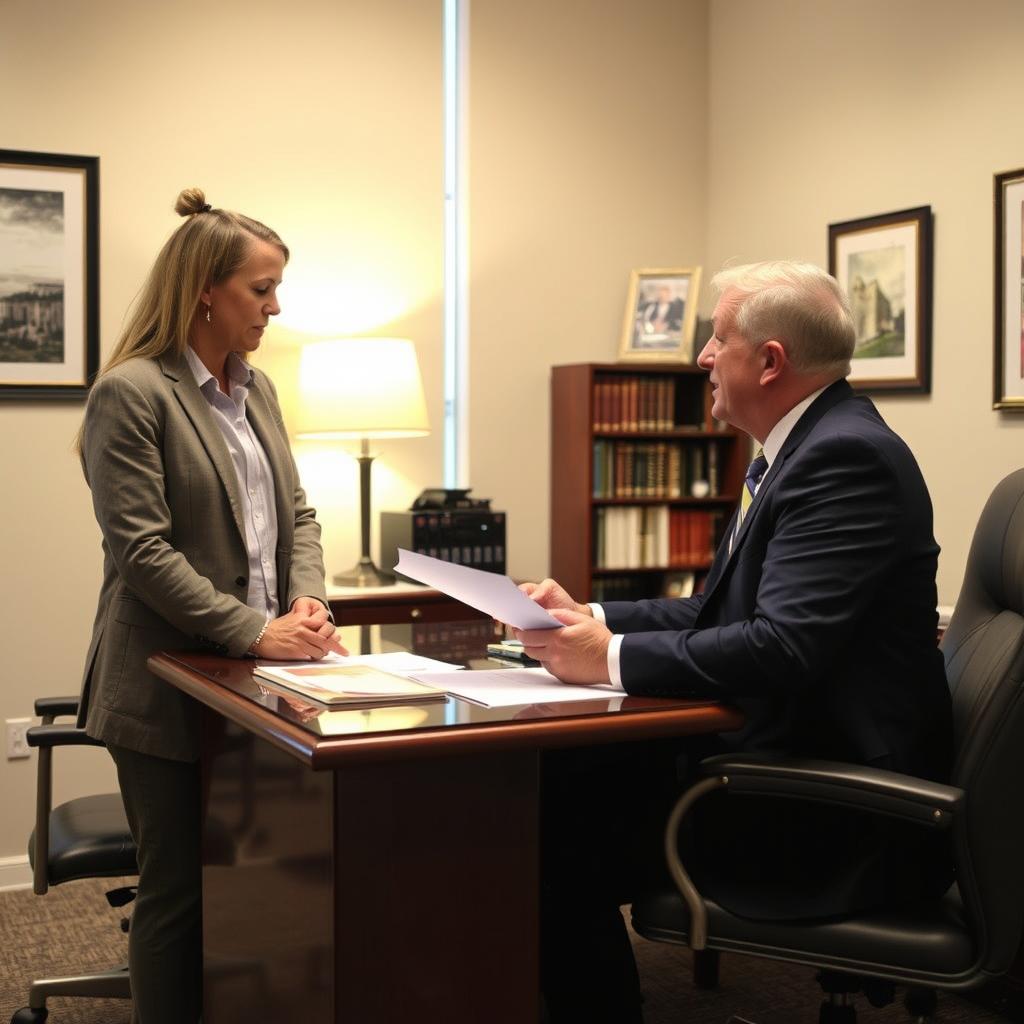
Visitation Lawyer Hamilton County, NY
Visitation matters in Hamilton County, New York, involve legal determinations about a non‑custodial parent’s time with their child. These issues arise in divorce, separation, paternity, or post‑judgment modification proceedings and are decided based on the best interests of the child under New York law. The Hamilton County Family Court, located in Lake Pleasant, handles visitation petitions, enforcement, and modifications, often alongside custody and child support matters. Mr. Sris, Owner and Founder of Law Offices Of SRIS, P.C., together with his Of Counsel team, represents parents and guardians in visitation disputes across the Adirondack region. Reach Law Offices Of SRIS, P.C. at (888) 437-7747 to request a consultation about your visitation case. Law Offices Of SRIS, P.C. – Advocacy Without Borders.
What Visitation Means in Hamilton County, New York
Visitation, also referred to as parenting time, is the legal term for the schedule and conditions under which a non‑custodial parent spends time with their child. In Hamilton County, visitation disputes are heard in the Family Court, which has jurisdiction over custody, support, and related family matters. The court’s primary consideration is the best interests of the child, a standard that evaluates factors such as the parent‑child relationship, each parent’s willingness to foster a relationship with the other parent, the child’s adjustment to home and community, and any history of domestic violence.
Hamilton County encompasses the towns of Lake Pleasant, Indian Lake, Speculator, Inlet, Long Lake, Hope, Wells, and Blue Mountain Lake. Because the county is part of New York’s 4th Judicial District, Family Court matters are heard at the Hamilton County courthouse in Lake Pleasant. Visitation orders may be included in a custody decree, established in a separate proceeding, or modified when circumstances change. An experienced attorney can help you present evidence and arguments that support a visitation plan that serves your child’s needs.
How Mr. Sris and His Of Counsel Handle Visitation Cases
Mr. Sris and his Of Counsel approach each visitation matter with a focus on the practical needs of the family and the procedural requirements of Hamilton County Family Court. They work to negotiate reasonable parenting‑time schedules, address denial or interference with existing orders, and seek enforcement or modification when warranted. The firm’s litigators appear regularly in New York courts and understand the local practices of the 4th Judicial District.
Mr. Sris and his Of Counsel bring extensive combined legal experience to visitation matters. Results may vary. A typical representation may involve gathering documentation of the current arrangement, presenting evidence at a court conference, and advocating for a schedule that protects the child’s well‑being. The process is guided by New York’s best‑interests standard, and the firm works to achieve a resolution that respects your parental rights.
About Mr. Sris and His Of Counsel Team
Mr. Sris, Owner and Founder of Law Offices Of SRIS, P.C., is a former prosecutor who established the firm in 1997. He is admitted to practice in Virginia, Maryland, the District of Columbia, New Jersey, and New York. Mr. Sris testified before the Virginia House Courts of Justice Committee in support of 2019 HB 635 (chief patron Del. David Bulova). His multi‑state practice enables the firm to serve families in Hamilton County and throughout New York.
All other attorneys at the firm serve as Of Counsel, each bringing substantial experience in family law and litigation. Together, Mr. Sris and his Of Counsel provide representation tailored to the needs of parents and guardians involved in visitation disputes.
Frequently Asked Questions
How is visitation determined in Hamilton County, New York?
Visitation is determined by the Hamilton County Family Court based on the best interests of the child. The court examines factors such as the parent‑child relationship, the child’s adjustment to home and community, the mental and physical health of all parties, and any history of domestic violence. The court may order a schedule that provides meaningful contact between the child and the non‑custodial parent, unless that contact would be harmful. An experienced attorney can present evidence to support your requested schedule and advocate for your parental role.
Can a parent deny visitation if the other parent is behind on child support?
No, visitation and child support are separate legal obligations; a custodial parent cannot withhold visitation because of unpaid child support. If a parent denies court‑ordered visitation, the other parent may file an enforcement petition with Hamilton County Family Court. The court can order make‑up visitation time, impose sanctions, or modify the existing order to prevent future interference. Keeping a record of denied visits is important if you need to take enforcement action.
How do I enforce a visitation order in Hamilton County?
You can enforce a visitation order by filing a violation petition with Hamilton County Family Court. At the hearing, you must show that the other parent did not comply with the order. The court may order compensatory visitation, require the parties to attend mediation, or hold the non‑compliant parent in contempt. Documenting each missed visit and any communication about the denial strengthens your case. Mr. Sris and his Of Counsel can assist with enforcement proceedings.
Can visitation be modified after a court order is in place?
Yes, a parent may petition to modify visitation if there has been a substantial change in circumstances since the last order. Examples include a relocation, a change in the child’s needs, or concerns about the child’s welfare. Hamilton County Family Court reviews modification petitions under the same best‑interests standard. The court will consider whether the proposed change serves the child’s developmental and emotional needs. An attorney can help you demonstrate that a modification is warranted.
Do I need a lawyer for a visitation case in Hamilton County?
You are not legally required to have a lawyer for a visitation case, but representation can help you navigate complex procedures and protect your parental rights. Family Court rules, evidence presentation, and courtroom advocacy often challenge individuals who represent themselves. An experienced attorney can prepare documentation, negotiate schedules, and argue your position effectively. To discuss your situation, reach Law Offices Of SRIS, P.C. at (888) 437-7747.
What role does the child’s preference play in visitation decisions?
New York courts consider the child’s wishes depending on their age and maturity, but the child’s preference is not determinative. The court may interview the child privately or through a law guardian. Ultimately, the court weighs the child’s views alongside other best‑interests factors. The primary concern remains the child’s overall well‑being and stability.
Understanding the Visitation Filing Process in Hamilton County Family Court
Filing a visitation petition in Hamilton County Family Court involves several procedural steps that are important to understand before you begin. The process typically starts with the preparation and submission of a petition to the Family Court clerk’s office at the Hamilton County courthouse in Lake Pleasant. The petition must identify the parties, describe the child or children involved, and set forth the relief you are requesting, whether it be an initial visitation schedule, enforcement of an existing order, or modification of a prior arrangement. Once the petition is filed, the court assigns a docket number and schedules an initial appearance, which may be a conference with a court attorney or a hearing before a Family Court judge. Service of process on the other parent is required, and proof of service must be filed with the court. The Hamilton County Family Court follows the Uniform Rules for Family Courts under Part 205 of the New York Codes, Rules and Regulations, which govern everything from filing deadlines to evidentiary requirements. An attorney familiar with these local procedures can help ensure that your petition is properly prepared and that you meet all applicable deadlines. Failing to follow procedural requirements can result in delays or dismissal of your petition, so it is wise to seek legal guidance early in the process. The Family Court also offers resources such as the Help Center and access to petition forms, though the forms alone do not substitute for the strategic judgment that an experienced visitation lawyer can provide. Mr. Sris and his Of Counsel team can assist with every stage of the filing process, from drafting the initial petition to representing you at court appearances, helping you present your case clearly and effectively.
Types of Visitation Orders Available in Hamilton County
Hamilton County Family Court can issue several different types of visitation orders depending on the circumstances of the family and the needs of the child. The most common type is a fixed visitation schedule, which sets forth specific days, times, and locations for parenting time. This schedule may include weekday visits, weekend visits, alternating holidays, and extended time during summer or school breaks. A fixed schedule provides clarity and predictability for both parents and the child, reducing the potential for disputes over when parenting time occurs. In some cases, the court may order supervised visitation, which requires that a third party be present during parenting time. Supervised visitation is typically ordered when the court has concerns about the child’s safety or well‑being, such as in cases involving allegations of domestic violence, substance abuse, or a prior estrangement between the parent and child. The supervisor may be a professional supervisor, a family member, or a mutually agreed‑upon third party. The court may also order therapeutic visitation, which involves a mental health professional who facilitates and observes the parent‑child interaction and may provide feedback or guidance. In other situations, the court may issue a reasonable visitation order, which is less specific and allows the parents to arrange parenting time by mutual agreement. Reasonable visitation orders require a high degree of cooperation between the parents and are generally appropriate only when the parties communicate effectively and there is no history of conflict. If the parents cannot agree on a reasonable visitation schedule, the court may later impose a fixed schedule. The particular type of visitation order that the court issues will depend on the facts of the case and the trusted‑interests analysis. An attorney can help you understand which type of visitation order is most appropriate for your situation and can present evidence to support the type of order that serves your child’s needs. Mr. Sris and his Of Counsel have experience with all types of visitation orders in Hamilton County and can advise you on the most suitable approach for your case.
Common Issues That Arise in Hamilton County Visitation Cases
Visitation cases in Hamilton County can involve a range of practical and legal challenges that parents should be prepared to address. One common issue is parental relocation. When a custodial parent moves a significant distance away from the non‑custodial parent, the existing visitation schedule may no longer be workable. New York law requires a custodial parent to obtain court permission or the other parent’s consent before relocating with the child if the move would significantly interfere with the non‑custodial parent’s visitation rights. The court evaluates relocation requests under the trusted‑interests standard and considers factors such as the reasons for the move, the impact on the child’s relationship with the non‑custodial parent, and the child’s overall quality of life. Another frequent issue involves visitation interference, where one parent prevents or obstructs the other parent’s court‑ordered parenting time. Interference may take the form of refusing to make the child available, scheduling conflicting activities during the other parent’s time, or making repeated allegations intended to disrupt visits. The court takes visitation interference seriously and may impose remedies including compensatory time, attorney’s fees, or in severe cases, a change in custody. Communication breakdowns between parents are another common challenge. High‑conflict cases often involve disputes over pickup and drop‑off logistics, holiday scheduling, and day‑to‑day decisions affecting the child. The court may order the parents to use a co‑parenting communication platform, attend mediation, or participate in a parenting education program. Substance abuse or mental health concerns raised during a visitation case can also affect the court’s decisions. A parent facing these allegations may need to present evidence of treatment, compliance with court orders, or testimony from professionals. An experienced visitation lawyer can help you navigate these issues by developing a strategy to address the specific challenges in your case and presenting a compelling argument to the court. Mr. Sris and his Of Counsel are familiar with the common and uncommon issues that arise in Hamilton County visitation matters and can help you prepare for each stage of the proceeding.
The Role of Mediation in Hamilton County Visitation Disputes
Mediation is a process in which a neutral third party helps parents resolve visitation disputes outside of the courtroom. In Hamilton County, the Family Court may refer parents to mediation before proceeding with a contested hearing, particularly when the issues involve scheduling or communication rather than safety concerns. Mediation offers parents an opportunity to work out a visitation arrangement that meets their family’s unique needs while avoiding the time, expense, and stress of litigation. The mediator does not make decisions or impose a schedule; instead, the mediator facilitates discussion, identifies areas of agreement, and helps the parents explore possible solutions. If the parents reach an agreement in mediation, the terms may be reduced to writing and submitted to the court for approval. Once approved, the agreement becomes a binding court order. Mediation can be particularly effective in visitation cases because it allows parents to craft a schedule that accommodates work obligations, school calendars, extracurricular activities, and other practical considerations in a way that a court‑imposed schedule may not. It also gives parents a greater sense of ownership over the outcome, which can lead to better long‑term compliance. Mediation may not be appropriate in cases involving domestic violence, a significant power imbalance, or when one parent is unwilling to participate in good faith. In those situations, the court may proceed directly to a hearing. Even when mediation does not resolve all issues, it can narrow the disputes and clarify the positions of each party, making the subsequent court process more efficient. An attorney can help you evaluate whether mediation is appropriate for your case, prepare you for the mediation session, and ensure that any agreement reached protects your parental rights. Mr. Sris and his Of Counsel have experience with mediated and litigated visitation matters in Hamilton County and can guide you toward the most effective path for resolving your dispute. If you have questions about mediation or any other aspect of your visitation case, contact Law Offices Of SRIS, P.C. at (888) 437-7747.
Related New York family law resources: Family Law Lawyer New York County (Manhattan) | Family Law Lawyer Kings County (Brooklyn) | Family Law Lawyer Queens County
For official court information, visit the New York State Unified Court System at nycourts.gov.
Attorney advertising. Prior results do not guarantee a similar outcome.
Case results depend on a variety of factors unique to each case.
Results may vary.