
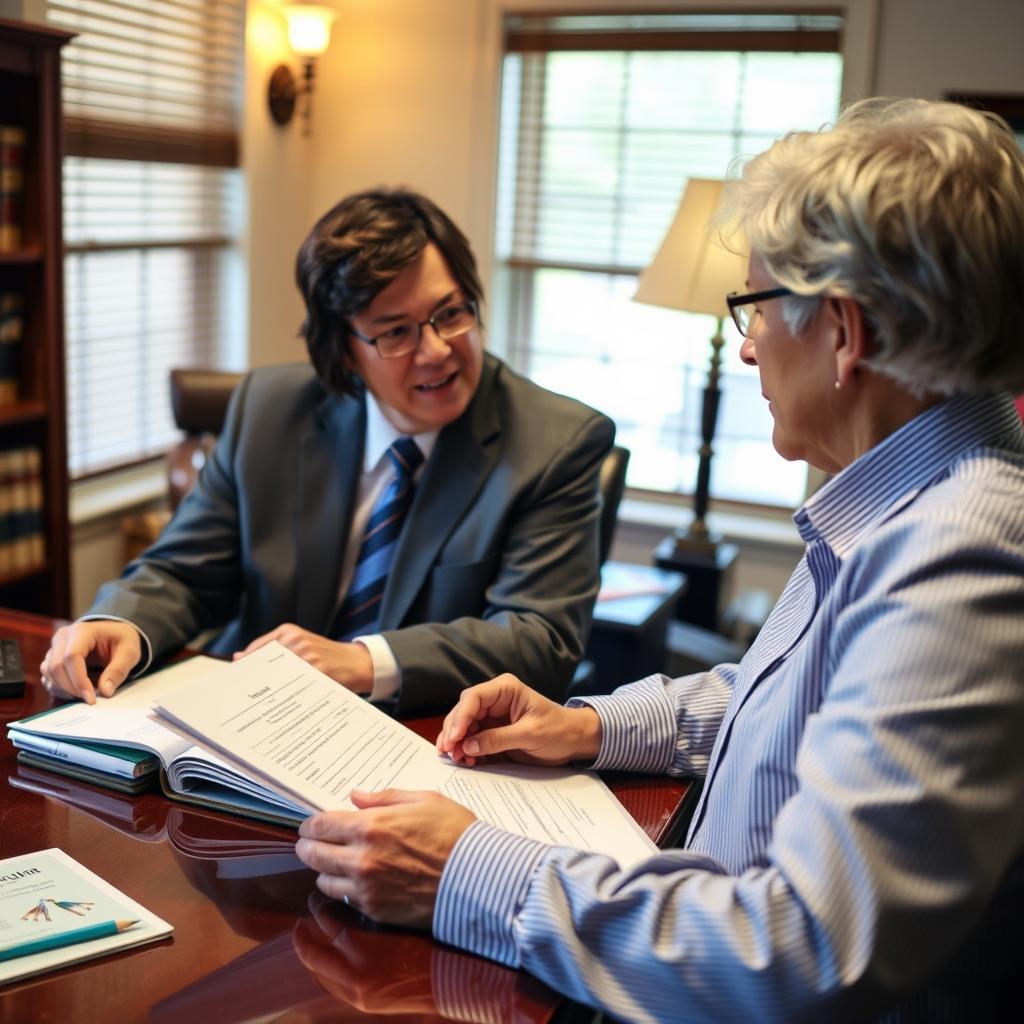
Standby Guardianship Lawyer Albemarle County, VA
Standby guardianship provides a legal mechanism for parents in Albemarle County, Virginia, to designate a trusted adult to care for their minor children if the parent becomes unable to do so due to incapacity or death. Under Virginia law, specifically Va. Code § 64.2-2000 et seq., a standby guardian can be appointed by the court to assume parental responsibilities in a planned, orderly manner. This process helps families avoid custody disputes and ensures children’s well‑being. Mr. Sris, Owner and Founder of Law Offices Of SRIS, P.C., brings extensive experience to standby guardianship matters, guiding parents through the petition process and court proceedings. He is a former prosecutor admitted in Virginia, Maryland, the District of Columbia, New Jersey, and New York. To discuss your family’s needs, reach our firm at (888) 437-7747. Law Offices Of SRIS, P.C. – Advocacy Without Borders.
What Standby Guardianship Means in Albemarle County, Virginia
Albemarle County, which includes the Charlottesville area, Crozet, Earlysville, Ivy, and North Garden, is home to the University of Virginia and historic Monticello. Family law matters here proceed through two principal courts—the Albemarle County Juvenile and Domestic Relations District Court handles custody, visitation, and support matters, while the Albemarle County Circuit Court has jurisdiction over equitable distribution and certain guardianship proceedings. For standby guardianship, a petition may be filed in either court depending on whether the matter arises in connection with a divorce, custody case, or as a standalone action. Both courts are located at 350 Park Street in Charlottesville, easily accessible via I-64 and Route 29.
Virginia Code § 64.2-2000 et seq. Sets out the framework for standby guardianship. A parent may designate a standby guardian to act if the parent becomes incapacitated or dies, offering a smoother transition of care than an emergency custody proceeding. The court assesses the child’s best interests and the parent’s current capacity. Although no specific medical diagnosis is required, the parent’s health providers often supply information that helps the court understand the need for a standby arrangement. The statute also allows the parent to revoke or modify the designation while still capable, ensuring the arrangement remains voluntary and flexible.
In Albemarle County, judges are familiar with the logistical and emotional considerations of guardianship cases. Our firm’s Shenandoah location serves families throughout Albemarle County, offering experienced representation in these sensitive matters. Mr. Sris and his Of Counsel understand the local procedures and work to present petitions that clearly demonstrate the parent’s wishes and the child’s best interests.
How Mr. Sris and His Of Counsel Handle Standby Guardianship Cases
Mr. Sris and his Of Counsel bring extensive combined legal experience to standby guardianship matters, addressing both the legal requirements and the personal concerns of families. The process typically begins with a confidential consultation to understand the parent’s health situation, the desired guardian, and any existing estate-planning documents. From there, they draft a petition that outlines the factual basis for a standby designation, attach the necessary affidavits, and file it with the appropriate Albemarle County court.
Once the petition is on file, the court schedules a hearing. Mr. Sris and his Of Counsel prepare the parent and the proposed guardian for the hearing, ensuring they know what to expect. At the hearing, they present evidence—often including medical or psychological assessments—and advocate for the child’s best interests. Because standby guardianship is an anticipatory measure, the hearing is usually less adversarial than a contested custody case, but having experienced counsel is still critical to avoiding procedural missteps. The court may also appoint a guardian ad litem to investigate and report to the court, and the firm works cooperatively with that office while protecting the parent’s expressed wishes.
After a standby guardian is appointed, the parent retains parental rights until the triggering event—such as the parent’s incapacity or death—actually occurs. Mr. Sris and his Of Counsel advise on how to document the transition and, if circumstances change, how to modify or revoke the standby arrangement. Throughout, they emphasize communication among family members and aim to minimize conflict.
About Mr. Sris and His Of Counsel Team
Mr. Sris, Owner and Founder of Law Offices Of SRIS, P.C., is a former prosecutor with experience in criminal trial work and now concentrates his practice in family law, among other areas. He testified before the Virginia House Courts of Justice Committee in support of 2019 HB 635 (chief patron Del. David Bulova). Mr. Sris is admitted in Virginia, Maryland, the District of Columbia, New Jersey, and New York, and has served clients across multiple states since founding the firm in 1997.
Mr. Sris is joined by a team of Of Counsel attorneys, each of whom brings distinct experience to family law matters. Collectively, Mr. Sris and his Of Counsel offer extensive combined legal experience. Results may vary. The firm takes a collaborative approach, involving the attorney whose background best fits a particular case while Mr. Sris remains actively engaged in strategy and client guidance. This structure ensures that every standby guardianship matter benefits from both focused attention and broad legal knowledge.
Frequently Asked Questions
What is standby guardianship in Virginia?
Standby guardianship is a legal arrangement under Va. Code § 64.2-2000 et seq. That allows a parent to designate someone to become the guardian of their child upon the occurrence of a specified event, such as the parent’s incapacity or death. The parent files a petition with the local court, and if the court finds the arrangement in the child’s best interests, it will appoint the standby guardian. This process provides peace of mind and helps ensure the child’s care without the disruption of a contested custody dispute. The parent retains all parental rights until the triggering event, and the designation can be changed while the parent remains competent.
How does the standby guardianship process work in Albemarle County?
In Albemarle County, the standby guardianship process begins when a parent files a petition in the Juvenile and Domestic Relations District Court or the Circuit Court, depending on the context of the case. The parent must provide basic information about the child, the proposed guardian, and the reasons a standby arrangement is needed. After the petition is served on any required parties, the court holds a hearing. The judge considers the child’s best interests, the parent’s current wishes, and any evidence of the parent’s health or circumstances. If the requirements are met, the court will enter an order appointing the standby guardian, effective upon a future event.
What are the requirements for a standby guardian in Virginia?
Virginia law requires that the proposed standby guardian be an adult who is capable of caring for the child and willing to serve. The parent must demonstrate to the court that the standby designation is in the child’s best interests and that there is a foreseeable condition—such as a terminal illness—that could leave the child without a custodial parent. The court will examine the proposed guardian’s relationship with the child, living situation, and ability to provide a stable home. Background checks may be part of the court’s inquiry, though the specific requirements vary by case.
How is standby guardianship different from adoption?
Standby guardianship does not terminate the parent’s rights or create a new parent-child legal relationship; it merely authorizes the standby guardian to care for the child upon a specified triggering event. The parent remains the child’s legal parent and may revoke or modify the standby arrangement at any time while competent. In contrast, adoption permanently ends the birth parent’s rights and establishes a new legal parent. Standby guardianship is designed for situations where a parent anticipates a temporary or future incapacity, whereas adoption is a permanent solution for a child who cannot be reunited with the birth parent.
Do I need a lawyer for standby guardianship in Albemarle County?
While you are not legally required to hire a lawyer, the standby guardianship process involves court filings, evidentiary hearings, and legal standards that are most effectively handled by an experienced attorney. Mistakes in the petition or failure to adequately present the parent’s reasons could delay or prevent the appointment. Mr. Sris and his Of Counsel are familiar with the Albemarle County courts and the applicable Virginia statutes and can help ensure the petition is properly prepared and presented. To discuss the details of your matter, contact Law Offices Of SRIS, P.C. at (888) 437-7747.
Can a standby guardian be appointed if both parents are alive?
Yes, a standby guardian can be appointed even when both parents are alive, so long as the parent petitioning the court anticipates a future inability to care for the child. The petition must set forth the circumstances that may render the parent unable to care for the child, such as a progressive illness. The court’s focus remains on the child’s best interests. If both parents are living but one is unable to consent, the court may still proceed after notice is given to the non-petitioning parent and an opportunity to be heard is provided.
Related family law pages: Fairfax County Family Law Lawyer · Fairfax Family Law Lawyer · Falls Church Family Law Lawyer · Prince William County Family Law Lawyer · Manassas Family Law Lawyer
Virginia legal resources: Virginia Code Title 64.2 (Wills, Trusts, and Fiduciaries) · Albemarle County Circuit Court · Virginia’s Judicial System
Attorney advertising. Prior results do not guarantee a similar outcome. Results may vary.
Case results depend on a variety of factors unique to each case.