
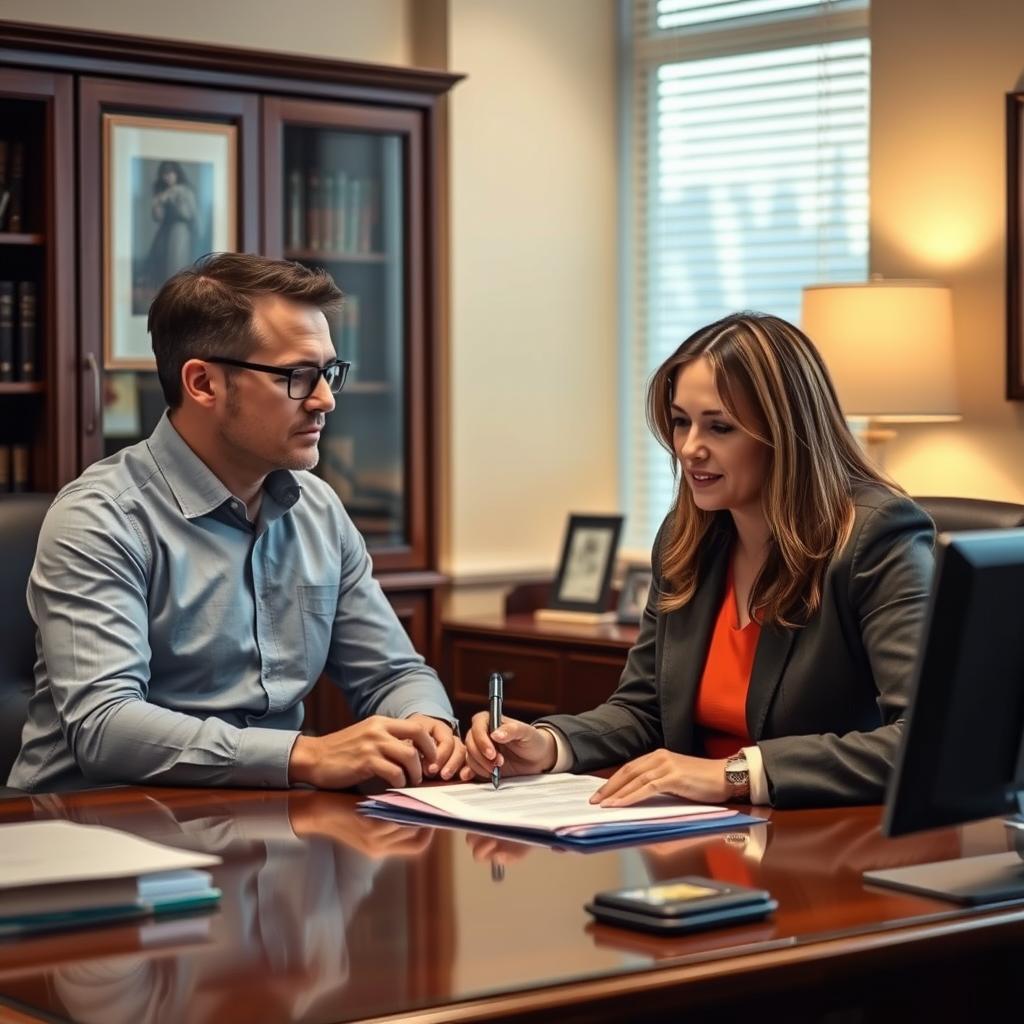
Relative Adoption Lawyer Near Me
Relative adoption — sometimes called kinship adoption — lets a child join a household they already know. A grandparent, aunt, uncle, adult sibling, or another close relative becomes the legal parent, and the family gains stability without uprooting the child. While the emotional foundation is already present, the legal process still demands careful attention. Law Offices Of SRIS, P.C. represents families pursuing relative adoptions across Virginia, Maryland, the District of Columbia, New Jersey, and New York. Mr. Sris and the firm’s Of Counsel attorneys guide relatives through the required filings, consents, home studies, and finalization hearings so the legal outcome matches the family’s reality. To discuss your situation, reach the firm at (888) 437-7747. Law Offices Of SRIS, P.C. – Advocacy Without Borders.
What Relative Adoption Means in Family Law
A relative adoption permanently places a child with a family member who assumes all legal rights and responsibilities of a parent. Once finalized, the biological parents’ rights are terminated, and the adopting relative becomes the child’s legal parent for purposes of custody, inheritance, health insurance, and school enrollment. In Virginia, the adoption process is governed by Va. Code § 63.2-1200 et seq., which sets out who may adopt, whose consent is needed, and the specific procedures a circuit court follows. Maryland, the District of Columbia, New Jersey, and New York each have their own statutory frameworks, but the core concept is the same: the court must find that the adoption is in the child’s best interests and that all required consents have been properly obtained or excused.
Because relative adoptions often involve fewer placement hurdles than agency or private adoptions, some families assume the legal path is simpler than it is. In reality, every relative adoption still requires a background check, a home study (exceptions may apply depending on the relationship and jurisdiction), and a final court hearing at which a judge reviews the petition and any objections. When a child has lived with the relative for months or years under an informal arrangement, the transition to a legal adoption can raise issues the family did not anticipate — unresolved parental consent questions, interstate notice requirements, or the need to regularize the child’s legal status in multiple states. Working with an experienced family law attorney helps identify these issues early and address them systematically.
How Mr. Sris and the Firm’s Of Counsel Attorneys Handle Relative Adoption Cases
Each relative adoption begins with a careful review of the family’s specific circumstances. The firm’s attorneys confirm which relatives are eligible to petition in the relevant state, identify every person whose consent must be obtained or whose parental rights must be terminated, and determine whether the adoption can proceed without a full home study — some states relax this requirement for stepparent or close-relative adoptions. The firm then prepares the petition, gathers the required affidavits and supporting documents, and coordinates with any agencies or court-appointed guardians ad litem involved in the matter.
Throughout the process, Mr. Sris and the firm’s Of Counsel attorneys communicate directly with the family, explaining each step, the typical court timeline, and any potential complications such as a non-consenting parent or a child who is the subject of a pending custody proceeding in another state. At the finalization hearing, the firm presents the evidence the court needs to find that the adoption serves the child’s best interests. Because the firm practices in five jurisdictions, families with connections to more than one state — a scenario increasingly common in relative adoptions — can often have the entire matter coordinated by a single legal team rather than having to engage separate counsel in each jurisdiction.
About Mr. Sris and the Firm’s Of Counsel Attorneys
Mr. Sris, Owner and Founder of Law Offices Of SRIS, P.C., has practiced family law since founding the firm in 1997. A former prosecutor, he brings an understanding of how courts evaluate evidence and testimony, which proves valuable when a relative adoption involves contested consent or allegations that may affect the trusted-interests determination. Mr. Sris testified before the Virginia House Courts of Justice Committee in support of 2019 HB 635 (chief patron Del. David Bulova). He is admitted in Virginia, Maryland, the District of Columbia, New Jersey, and New York, enabling the firm to handle multi-state relative adoptions without jurisdictional gaps.
The firm’s Of Counsel attorneys contribute extensive combined legal experience in family law matters. Together, Mr. Sris and the firm’s Of Counsel attorneys work to achieve favorable outcomes for families. Results may vary. Whether a relative adoption involves a child moving across state lines, a parent whose consent cannot be obtained, or an existing custody order from a court in another jurisdiction, the firm’s attorneys rely on their collective experience to navigate the procedural and substantive requirements of each state involved.
Frequently Asked Questions
What is a relative adoption?
A relative adoption is a legal process in which a close family member — such as a grandparent, aunt, uncle, or adult sibling — becomes a child’s permanent legal parent. Once finalized, the adopting relative assumes all parental rights and responsibilities, and the biological parents’ rights are terminated. Relative adoptions are often preferred because the child stays within the family and typically experiences less disruption than in a non-relative adoption. Each state sets its own eligibility rules, consent requirements, and home-study conditions; an experienced family law attorney can explain how those rules apply to your specific situation.
Do I need a lawyer for a relative adoption?
While you are not legally required to hire an attorney for a relative adoption in most states, the process involves strict procedural rules, statutory consent requirements, and court hearings that can be difficult to manage without legal guidance. Mistakes in the petition, improper notice to a biological parent, or a missing affidavit can delay the adoption or even result in denial. An attorney handles the paperwork, ensures all required parties are properly notified, and presents the case at the finalization hearing. For relative adoptions spanning more than one state, legal representation becomes even more important because each state’s adoption code may apply differently.
How long does a relative adoption take?
The timeline for a relative adoption depends on the jurisdiction, the court’s docket, and whether all required consents are readily available. Some straightforward stepparent or close-relative adoptions can be finalized within a few months, while contested matters or those requiring termination of parental rights over an objection can take significantly longer. The family’s prompt cooperation in providing documents and completing any required home study or background checks also affects how quickly the case progresses through the court.
Is a home study required for a relative adoption?
Many states relax or waive the home-study requirement for certain close-relative adoptions, but the specifics vary by jurisdiction and by the relationship between the child and the adopting relative. For example, a stepparent adoption rarely requires a full home study, while a grandparent adoption may or may not, depending on state law and the court’s discretion. The firm’s attorneys review the applicable statute and local practice to determine whether a home study is necessary and, if so, help the family prepare for the home-study visit.
What if one parent does not consent to the adoption?
When a required parent refuses to consent, the court must determine whether the parent’s rights can be terminated involuntarily under the relevant state’s statutory grounds. Grounds may include abandonment, unfitness, failure to maintain contact or provide support, or a finding that termination is in the child’s best interests. The petitioning relative must present clear and convincing evidence supporting termination. Due process requires that the parent receive proper notice and an opportunity to be heard. The firm’s attorneys help evaluate the strength of the evidence, prepare the necessary pleadings, and, if the matter is contested, represent the petitioning relative at the evidentiary hearing.
Can a relative adoption cross state lines?
Yes, relative adoptions involving more than one state occur frequently, but they require careful attention to the Interstate Compact on the Placement of Children (ICPC) and each state’s jurisdictional rules. The ICPC applies when a child is sent from one state to another for purposes of adoption; compliance with the Compact is mandatory and can add time and procedural steps to the case. The firm’s multi-state practice means a family dealing with an interstate relative adoption can often have its entire matter handled by a single legal team that understands the requirements of both states involved.
Related practice areas: Virginia adoption lawyer · Family law representation · Child custody lawyer · Guardianship lawyer · Stepparent adoption lawyer
Official sources: Virginia Code, Title 63.2, Chapter 12 (Adoption) · Virginia Circuit Courts · Virginia Department of Social Services — Adoption
Attorney advertising. Prior results do not guarantee a similar outcome.
Case results depend on a variety of factors unique to each case.