
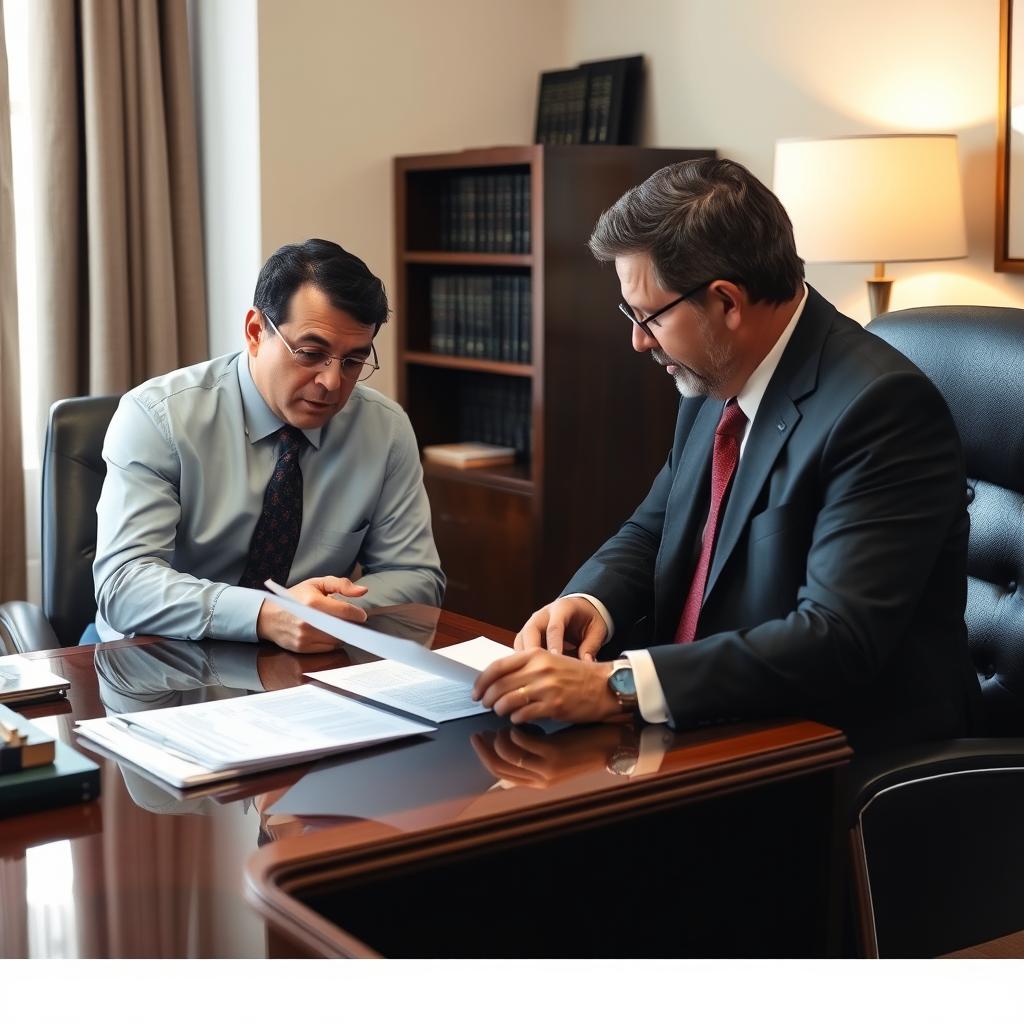
Paternity Lawyer Westchester County, NY
Paternity establishment is a legal process that directly affects parental rights, child support obligations, and custody arrangements for families in Westchester County. Whether you are a mother seeking support for your child, a father wanting to secure a legal relationship with your child, or a parent facing a paternity dispute, the outcome can shape your family’s future for years to come. Law Offices Of SRIS, P.C. represents clients in paternity matters before the Westchester County Family Court and works to protect the interests of both parents and children. To discuss your situation and how we can assist, call (888) 437-7747. Law Offices Of SRIS, P.C. – Advocacy Without Borders.
What Paternity Means in Westchester County, New York
In New York, paternity refers to the legal determination that a man is the biological father of a child. When a child is born to unmarried parents, no automatic legal relationship exists between the father and the child until paternity is established. The Westchester County Family Court handles paternity petitions under the New York Family Court Act and the Domestic Relations Law. Once paternity is established, the court can address custody, visitation, and child support according to the best interests of the child standard set out in DRL § 240.
Establishing paternity provides a child with important rights including the right to financial support from both parents, access to family medical history, Social Security benefits through a father, and inheritance rights. For fathers, it creates the legal standing to seek custody or visitation. The process typically involves genetic marker testing, voluntary acknowledgment forms, or a court order following a hearing. Our firm handles all aspects of paternity representation for clients throughout the Hudson Valley region, appearing at the Westchester County Family Court in White Plains. Contact our New York location at (888) 437-7747 to schedule a consultation.
How Mr. Sris and the Firm’s Of Counsel Attorneys Handle Paternity Cases
Mr. Sris, a former prosecutor, founded Law Offices Of SRIS, P.C. in 1997 and brings more than two decades of litigation experience to family law matters. The firm’s Of Counsel attorneys are independent practitioners who combine their strengths to represent clients throughout Westchester County. In paternity cases, the approach begins with a thorough evaluation of the facts—whether the matter involves an agreed acknowledgment of parentage, a contested genetic test, or a post-judgment modification of an existing order.
The process in the Westchester County Family Court starts with filing a petition to establish paternity. Once filed, the court may order genetic testing, which is coordinated through a court-approved laboratory. Following the test results, the court conducts hearings to determine the legal father-child relationship. After paternity is adjudicated, the court can address custody, visitation schedules, and child support in accordance with the New York statutory guidelines. We prepare each case carefully, negotiating where possible and litigating when necessary to pursue a favorable outcome. Results may vary. depending on the specific facts of each case, and prior results do not guarantee a similar result.
About Mr. Sris and the Firm’s Of Counsel Attorneys
Mr. Sris, Owner and Founder of Law Offices Of SRIS, P.C., is admitted to practice in Virginia, Maryland, the District of Columbia, New Jersey, and New York. He testified before the Virginia House Courts of Justice Committee in support of 2019 HB 635 (chief patron Del. David Bulova). His background as a former prosecutor gives him a thorough understanding of evidentiary standards and cross-examination strategies that benefit family law clients in contested matters. The firm’s Of Counsel attorneys, each with substantial legal experience, collaborate with Mr. Sris to provide skilled representation to Westchester County families. Together, they bring a multi-state perspective to paternity, custody, and support proceedings.
Frequently Asked Questions
How is paternity established in Westchester County?
Paternity can be established voluntarily through an Acknowledgment of Paternity form signed by both parents, or through a court order after a petition is filed and genetic testing is completed. In Westchester County, a parent or the Department of Social Services may file a petition in Family Court. If genetic testing is ordered and confirms paternity, the court issues an order of filiation that legally names the father. This order then allows the court to enter orders for child support, custody, and visitation. A lawyer can assist with the paperwork, testing, and any hearings to ensure the process proceeds correctly.
What rights does a father gain after establishing paternity?
Once paternity is legally established, a father can seek custody, visitation, and the right to participate in major decisions affecting the child. He also becomes responsible for providing financial support. The Westchester County Family Court will determine custody and visitation based on the best interests of the child, considering factors such as the parents’ ability to care for the child and the child’s relationship with each parent. A court order modifies the legal landscape; without establishing paternity, a father has no standing to request custody or visitation.
Can a mother keep a child from the father if paternity is not established?
Without a legal finding of paternity, the father has no enforceable right to custody or visitation. A mother who is the sole legal parent may refuse access until a court order says otherwise. That is why establishing paternity is the critical first step for fathers who wish to be involved in their child’s life. An attorney can file the necessary petition and request a temporary order for visitation while the paternity case proceeds.
How does paternity affect child support in New York?
Child support obligations arise once paternity is legally established. The New York Child Support Standards Act uses a statutory formula based on the combined parental income: 17% for one child, 25% for two, and so on, up to a combined income cap that the court may exceed at its discretion. The Westchester County Family Court will enter a support order after filiation, and the amount can be enforced through income withholding or other methods. If you need to establish or modify support, contact our firm to discuss your options.
Do I need a lawyer to establish paternity in Westchester County?
You are not required to have a lawyer, but representation can help you avoid procedural missteps that could delay or weaken your case. The Family Court process has specific pleading requirements and evidentiary rules. An experienced attorney can guide you through the paperwork, genetic testing, and hearings, and can negotiate agreements that protect your rights. Mr. Sris and the firm’s Of Counsel attorneys represent clients throughout the Hudson Valley. To discuss your paternity matter, call (888) 437-7747.
How long does a paternity case take in Westchester County Family Court?
The timeline depends on the court’s calendar, whether genetic testing is contested, and the complexity of any related custody or support issues. An uncontested acknowledgment can be completed quickly, while a contested case with multiple court appearances may take several months. The court schedules hearings on its own calendar, and parties may seek temporary relief while the case is pending. We work to move matters forward efficiently while protecting our clients’ interests.
Also serving family law clients in other New York localities:
Family Law Attorney in New York County (Manhattan) | Family Law Attorney in Kings County (Brooklyn) | Family Law Attorney in Queens County (Queens)
New York primary sources: Westchester County Family Court | New York Domestic Relations Law (DRL)
Attorney advertising. Prior results do not guarantee a similar outcome. Case results depend on a variety of factors unique to each case. Results may vary.