
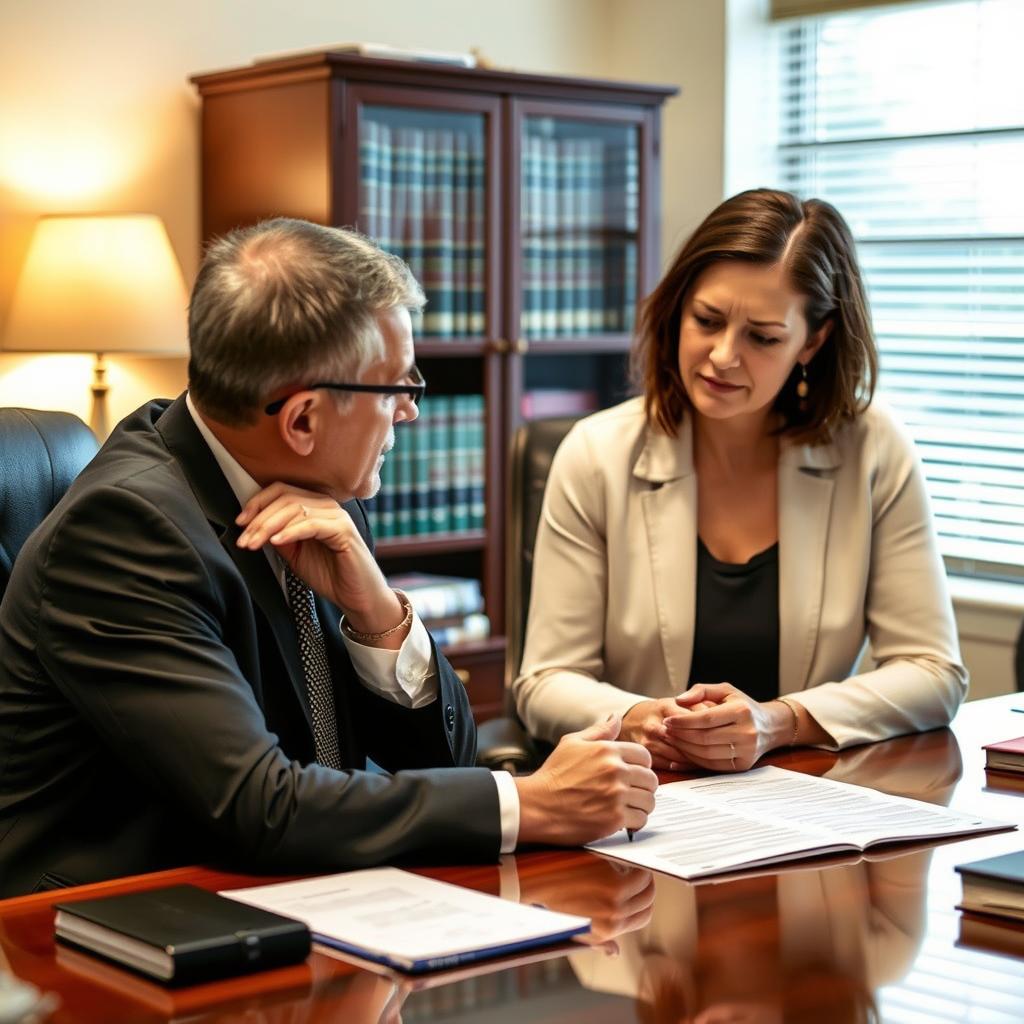
Guardianship Lawyer Otsego County, NY
Guardianship is a legal arrangement in which a court appoints a person or entity to make decisions for an individual who cannot manage their own personal or financial affairs. In Otsego County, New York, guardianship matters are governed primarily by Article 81 of the New York Mental Hygiene Law. A guardianship petition seeks to protect an adult whose functional capacity has diminished. The court may appoint a guardian of the person, a guardian of the property, or both, depending on the individual’s needs. Mr. Sris and his Of Counsel represent families and individuals throughout Otsego County—including Cooperstown, Oneonta, Cherry Valley, and surrounding communities—in guardianship proceedings before the Otsego County Supreme Court. To request a consultation, reach Law Offices Of SRIS, P.C. at (888) 437‑7747. Law Offices Of SRIS, P.C. – Advocacy Without Borders.
What Guardianship Means in Otsego County, New York
A guardianship under Article 81 is initiated by filing a petition in the Supreme Court of the county where the allegedly incapacitated person (the AIP) resides. The Otsego County Supreme Court, located at 197 Main Street in Cooperstown, oversees all adult guardianship matters within the county. The proceeding is designed to be tailored to the AIP’s functional limitations, not merely a medical diagnosis. A court evaluator—often an independent professional—investigates the AIP’s circumstances and reports to the court. The judge then determines whether a guardian is necessary and, if so, what powers the guardian should have.
New York law distinguishes between a guardian of the person, who makes decisions about health care and living arrangements, and a guardian of the property, who manages financial affairs. The court can appoint one person or two different people for each role. The procedural steps include gathering medical and financial records, serving notice on the AIP and interested relatives, and appearing at a hearing. Because every situation is different, the timeline varies by case complexity and the court’s calendar. Mr. Sris and his Of Counsel guide clients through each stage, working to ensure that the AIP’s rights are protected and that the family’s objectives are presented clearly.
How Mr. Sris and His Of Counsel Handle Guardianship Cases
When a family contacts Law Offices Of SRIS, P.C. about a potential guardianship, the initial conversation focuses on the AIP’s current functional abilities, the specific decisions that need to be made, and whether less restrictive alternatives—such as a power of attorney or advance health care directive—might still be effective. The firm’s approach is to explore all options before moving to a court proceeding, because guardianship is a significant intervention that limits individual autonomy.
If a guardianship petition becomes advisable, Mr. Sris and his Of Counsel prepare the petition and supporting documentation, coordinate with the court evaluator, and represent the petitioner at the hearing. They also assist families who are responding to a guardianship petition filed by someone else, ensuring that the AIP’s preferences and interests are illuminated for the court. Throughout the process, the firm stays accessible by phone, answering questions and adjusting the strategy as the court’s direction evolves.
Mr. Sris and His Of Counsel
Mr. Sris, Owner and Founder of Law Offices Of SRIS, P.C., founded the firm in 1997. A former prosecutor, he practices across Virginia, Maryland, the District of Columbia, New Jersey, and New York. The firm’s Of Counsel attorneys contract directly with the firm and bring experience across multiple practice areas. Mr. Sris and his Of Counsel bring extensive combined legal experience to guardianship matters. Results may vary.
Frequently Asked Questions
What is guardianship under New York law?
New York guardianship under Article 81 of the Mental Hygiene Law allows a court to appoint a guardian to make personal or financial decisions for an adult who cannot manage those decisions independently. The law uses a functional standard: the focus is on what the person can and cannot do, not on a specific diagnosis. A court evaluator assists the judge, and the guardianship is tailored so that only necessary powers are transferred. The goal is to protect the person while preserving as much autonomy as possible.
Who can file for guardianship in Otsego County?
Any person or entity concerned with the welfare of an allegedly incapacitated adult can file a guardianship petition in the Otsego County Supreme Court. This typically includes a spouse, adult child, parent, sibling, or a close friend. A hospital, nursing home, or social services agency may also petition. The petitioner does not have to be the person ultimately appointed guardian. An experienced attorney can help evaluate whether less restrictive alternatives—like a health care proxy or durable power of attorney—might accomplish the same goals without court involvement.
What does the court consider when deciding whether to appoint a guardian?
The Otsego County Supreme Court considers the individual’s functional capacity—specifically, their ability to meet personal needs and manage property. The court reviews the court evaluator’s report, medical and financial records, and input from family members. It assesses whether the person can understand and appreciate the nature and consequences of their own decisions. If guardianship is necessary, the court tailors the guardian’s powers to the specific limitations it finds, often granting authority only over those areas where the person truly needs assistance.
What is the difference between a guardian of the person and a guardian of the property?
A guardian of the person makes decisions about the individual’s health care, living arrangements, and personal needs, while a guardian of the property manages the individual’s finances, assets, and income. Under Article 81, these roles can be held by the same person or by two different people appointed by the court. For example, a family member might serve as guardian of the person, while a professional fiduciary serves as guardian of the property. The court decides which arrangement best serves the individual’s circumstances.
How long does the guardianship process take in Otsego County?
The timeline for a guardianship proceeding varies based on the court’s calendar, the complexity of the person’s circumstances, and whether the matter is contested. The court evaluator’s investigation typically requires several weeks, and the court sets a hearing date after the evaluation is complete. In urgent situations, counsel can request a temporary guardian under MHL § 81.23. For a more specific estimate based on your situation, contact our firm.
Do I need a lawyer to pursue a guardianship in New York?
You are not legally required to hire a lawyer to file a guardianship petition, but the procedural and legal requirements are substantial, and an error can delay the proceeding or cause unnecessary expense. The petition must contain specific allegations, and the court expects supporting documentation in proper form. Additionally, the AIP is entitled to counsel, and the proceeding can become contested. An experienced guardianship attorney can help present a clear, complete petition and navigate the court evaluator and hearing process. For a consultation, contact Law Offices Of SRIS, P.C. at (888) 437‑7747.
Related New York family law locations:
New York County Family Law Attorney ·
Kings County Family Law Attorney ·
Queens County Family Law Attorney ·
Nassau County Family Law Attorney
Otsego County court information: Otsego County Supreme Court (official New York State Unified Court System site).
Attorney advertising. Prior results do not guarantee a similar outcome.
Case results depend on a variety of factors unique to each case.
Results may vary.