
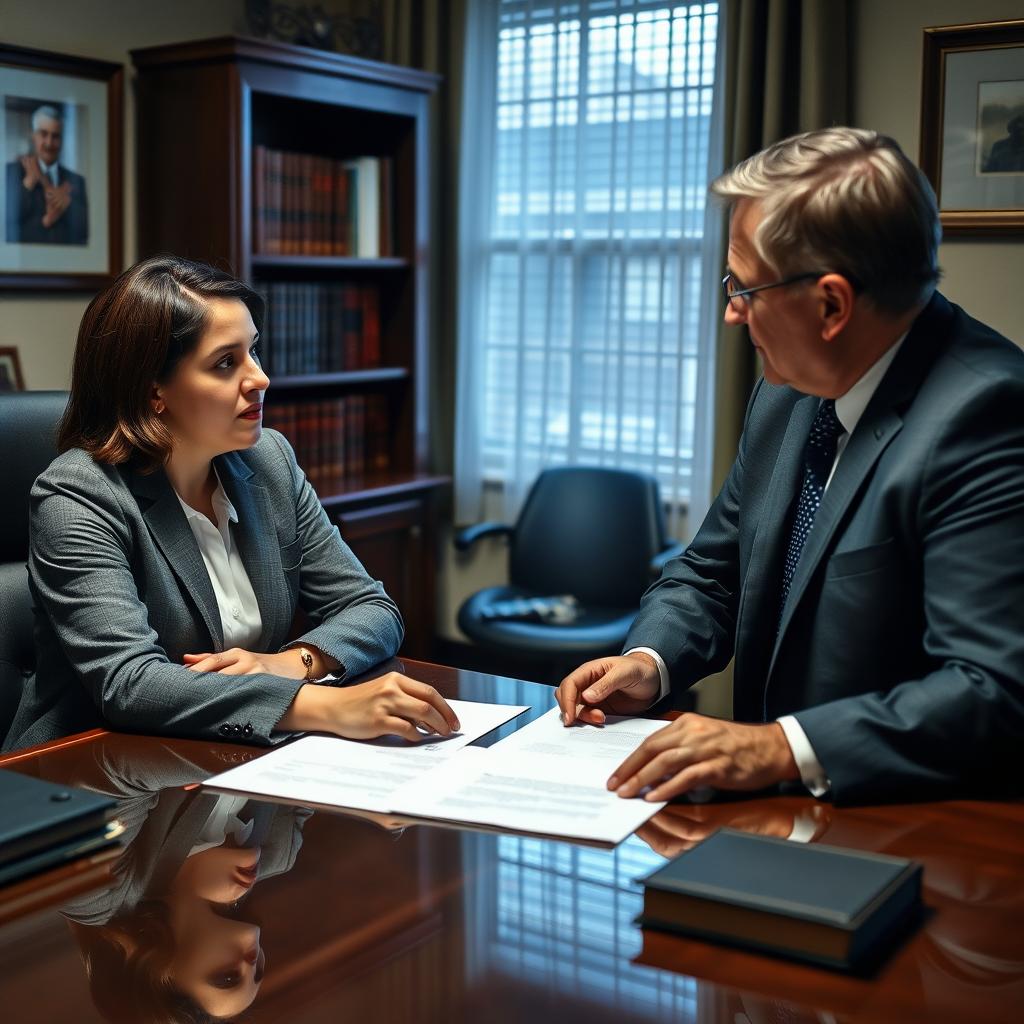
Child Custody Lawyer Oneida County, NY
When parents in Oneida County, New York, face disagreements about where a child will live, who will make important decisions, or how parenting time will be shared, the legal process can feel unfamiliar and stressful. Child custody matters in the Mohawk Valley are heard primarily in the Oneida County Family Court, located in Utica, while related divorce and equitable distribution issues proceed in the Oneida County Supreme Court. Whether you are a parent seeking a custody order, a non-parent relative pursuing visitation, or a party to a modification proceeding, understanding how the local courts apply New York’s best‑interests standard is a critical first step. Law Offices Of SRIS, P.C. represents parents and family members in custody, visitation, and support proceedings throughout Oneida County. For a consultation, call (888) 437-7747. Law Offices Of SRIS, P.C. – Advocacy Without Borders.
What Child Custody Means in Oneida County
Child custody in New York is governed by the Domestic Relations Law and the Family Court Act. The primary consideration for any judge in Oneida County Family Court is the best interests of the child. This standard requires the court to examine a broad set of factors, including each parent’s ability to provide a stable home, the child’s relationship with siblings and extended family, any history of domestic violence, and, depending on the child’s age and maturity, the child’s own wishes. Because the standard is fact‑intensive, no two cases are identical, and the outcome often turns on the specific evidence presented.
Oneida County Family Court handles petitions for custody, visitation, and child support, while the Supreme Court addresses custody matters that are part of a divorce or separation action. The court may award legal custody—the authority to make major decisions about education, health care, and religion—jointly or solely. Physical custody, which determines where the child resides on a day‑to‑day basis, can also be shared or granted to one parent with visitation to the other. In all cases, the court retains jurisdiction to modify orders when circumstances change, so a custody determination is never necessarily permanent.
How Mr. Sris and His Of Counsel Handle Family Law Cases
Mr. Sris and his Of Counsel approach each custody matter by first developing a thorough understanding of the family’s circumstances. This often involves gathering school records, medical reports, and other documentation that speaks to the child’s needs and each parent’s involvement. Where negotiation is appropriate, they work to reach a parenting plan that both parties can accept, which can spare a family the time and expense of a contested hearing. If litigation becomes necessary, Mr. Sris and his Of Counsel are prepared to present the case before the Family Court judge, adhering to local procedural requirements and the applicable rules of evidence.
Because Oneida County Family Court has its own docket rhythm and case‑management practices, familiarity with the court’s expectations matters. Mr. Sris and his Of Counsel have appeared in Family Court proceedings across New York and understand how to marshal testimony, cross‑examine adverse witnesses, and frame arguments in a way that helps the court see the full picture. Throughout the process, they focus on outcomes that promote the child’s stability and well‑being.
About Mr. Sris and His Of Counsel Team
Mr. Sris, Owner and Founder of Law Offices Of SRIS, P.C., has practiced law since 1997 and is admitted in Virginia, Maryland, the District of Columbia, New Jersey, and New York. A former prosecutor, Mr. Sris brings experience in trial advocacy to every case he handles. His Of Counsel team includes attorneys with backgrounds in family law, criminal defense, and civil litigation. Together, they bring extensive combined legal experience to representation in custody, visitation, and support matters.
Mr. Sris testified before the Virginia House Courts of Justice Committee in support of 2019 HB 635 (chief patron Del. David Bulova), reflecting his engagement with the legislative process that shapes family law. The firm maintains a New York location in Buffalo, and serves clients in Oneida County, the Mohawk Valley, and throughout upstate New York. All communications are kept confidential, and every client receives individual attention. Reach the firm’s New York location at (888) 437-7747.
Frequently Asked Questions
How do New York courts decide child custody?
New York courts decide child custody based on the best interests of the child, weighing factors such as parental fitness, the child’s relationship with each parent, and any history of domestic violence. Judges in Oneida County Family Court consider evidence of each parent’s ability to provide a safe, stable environment and to encourage a relationship with the other parent. The court may interview the child in private and may appoint an attorney for the child when the circumstances warrant. There is no automatic preference for either mother or father; the analysis is always driven by the specific facts of the case.
What is the difference between legal custody and physical custody?
Legal custody is the right to make major decisions about a child’s upbringing, while physical custody refers to where the child lives day to day. A parent with sole legal custody can decide matters of education, health care, and religion without consulting the other parent, though the non‑custodial parent may still have a right to information about the child’s welfare. Physical custody determines the child’s residential schedule. Courts often award joint legal custody so both parents remain involved in important decisions, even if one parent has primary physical custody.
Can a custody order be modified in Oneida County?
Yes, a custody order can be modified when a parent demonstrates a substantial change in circumstances that affects the child’s best interests. A parent seeking modification files a petition in Oneida County Family Court and must show that the existing arrangement no longer serves the child. Common reasons include a parent’s relocation, a change in the child’s needs, or concerns about a parent’s ability to provide adequate care. The court will hold a hearing to evaluate the new circumstances before altering the prior order.
Do grandparents have rights to visitation in New York?
New York law allows grandparents to petition for visitation with a grandchild under limited circumstances, but the right is not automatic. A grandparent must show that they have a pre‑existing, substantial relationship with the child and that visitation is in the child’s best interests. The court balances the grandparent’s claim against the parent’s fundamental right to decide who has contact with the child. Grandparent visitation petitions are heard in the Family Court, and the legal standard is demanding.
What should I bring to a custody consultation?
Bring any existing court orders, a list of important dates and events, and any documents that speak to the child’s needs and your involvement as a parent. Helpful materials include school records, medical reports, text messages or emails with the other parent, and any notes about visitation schedules. If you have an existing custody or support order from another county or state, bring a copy. The more information you provide, the better equipped Legal Offices Of Law Offices Of SRIS, P.C. will be to evaluate your situation and recommend an approach.
How long does a custody case take in Oneida County?
The length of a custody case depends on whether the parents can agree, the complexity of the issues, and the court’s docket. An uncontested case in which both parents consent to a parenting plan can often be resolved more quickly than a fully contested hearing. When expert evaluations, forensic custody reports, or multiple witnesses are required, the process takes additional time. Your attorney can give you a realistic expectation once the court sets a schedule.
For similar family law content, see our pages on family law attorney in New York County, family law attorney in Kings County, and family law attorney in Nassau County.
Attorney advertising. Prior results do not guarantee a similar outcome.
Case results depend on a variety of factors unique to each case.
Results may vary.