
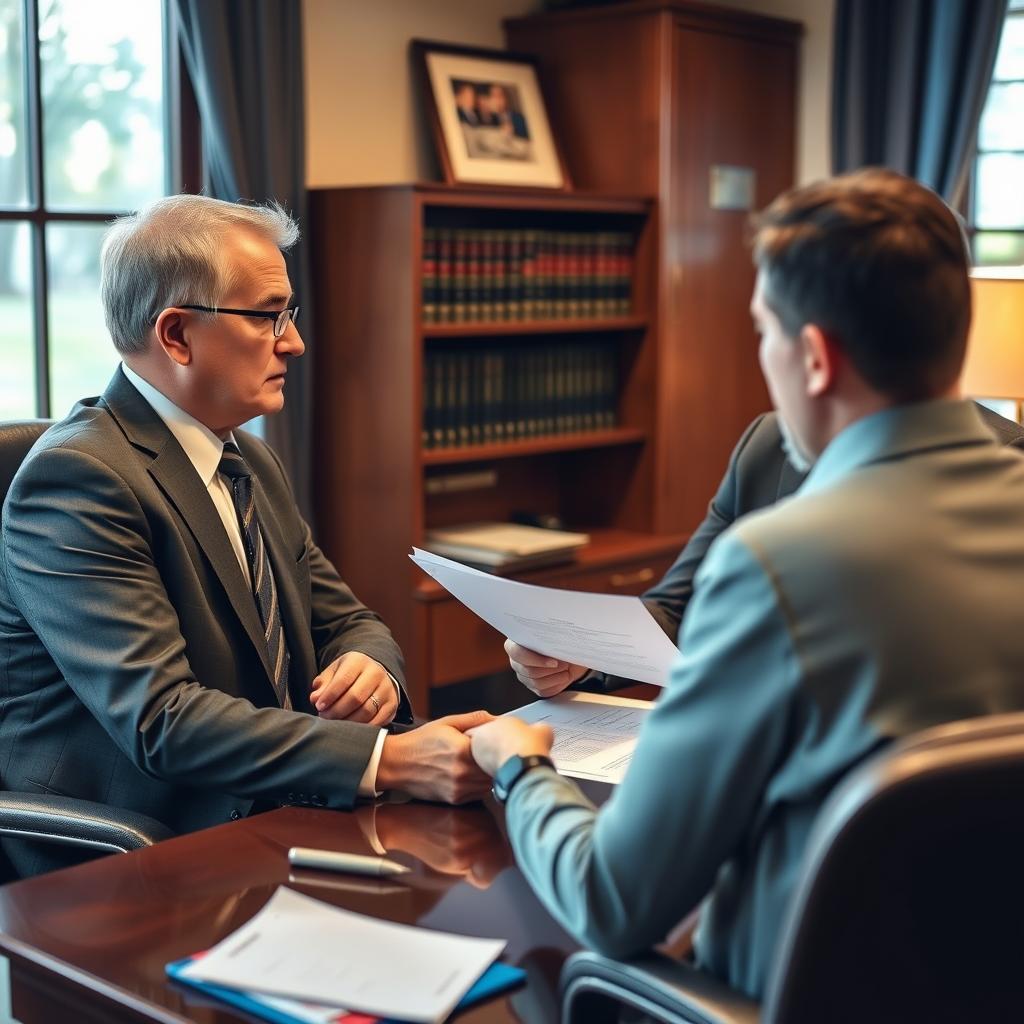
Visitation Lawyer Schoharie County, NY
Visitation matters in Schoharie County are determined by the Family Court or Supreme Court under the New York Domestic Relations Law and the Family Court Act. The court’s focus is the best interests of the child—a standard that weighs a range of factors, including each parent’s relationship with the child, the child’s needs, and any history that affects safety or well‑being. For a parent who is not the primary residential custodian, securing meaningful, consistent time with the child requires not only an understanding of the law but also an approach tailored to the practices of the Third Judicial District. Mr. Sris and his Of Counsel bring extensive combined legal experience to these disputes, whether the matter involves an initial custody arrangement, a modification, or an enforcement action. They appear regularly in Schoharie County courts, knowing what the judges expect and how to present a clear, credible case to protect a parent’s rights. To speak with an experienced attorney about your visitation situation, call Law Offices Of SRIS, P.C. at (888) 437‑7747. Law Offices Of SRIS, P.C. – Advocacy Without Borders.
What Visitation Means in Schoharie County, New York
In Schoharie County, visitation is the time that a non‑custodial parent spends with a child when the child lives primarily with the other parent. The Supreme Court handles visitation orders in divorce and equitable‑distribution cases, while the Family Court addresses visitation in separate custody and paternity proceedings. Both courts apply the trusted‑interests standard set out in Domestic Relations Law Section 240 and related case law.
The court considers the child’s age, health, emotional ties to each parent, and the stability of each home. It also looks at each parent’s willingness to foster a relationship with the other parent. Because Schoharie County serves a mix of rural communities and small towns such as Cobleskill, Middleburgh, and Sharon Springs, the court is accustomed to practical scheduling that accounts for work commutes, school calendars, and extended‑family involvement. Mr. Sris and his Of Counsel understand how local practice influences the outcome—from the initial petition through any follow‑up enforcement or modification request. The goal is not simply to obtain a schedule but to build a framework that works for the child and can hold up over time.
How Mr. Sris and His Of Counsel Handle Visitation Cases
Every visitation case begins by understanding the family’s history and the specific concerns that brought the matter to court. Mr. Sris and his Of Counsel review existing orders, evaluate any allegations of domestic violence or substance abuse that could affect safety, and prepare a strategy focused on the child’s welfare. If negotiation is possible, they work toward a written agreement that the court can approve without a contested hearing; if trial is necessary, they present testimony, cross‑examine witnesses, and argue the statutory factors to the judge.
When an existing order is being ignored, the team also handles enforcement proceedings. In Schoharie County, these may be filed as a violation petition in Family Court or as a contempt motion in Supreme Court. Because New York’s automatic financial restraining orders under DRL Section 236 often overlap with visitation and custody matters, the firm’s familiarity with the intersection of equitable distribution and family access makes it possible to preserve both the parent‑child relationship and the client’s property rights. Throughout the process, the client stays informed about what to expect at each court appearance and what documentation will strengthen their position.
About Mr. Sris and His Of Counsel Team
Mr. Sris is the Owner and Founder of Law Offices Of SRIS, P.C. and has practiced law since 1997. A former prosecutor, he understands how the legal system evaluates evidence and how to build a case that commands respect from the bench. Mr. Sris testified before the Virginia House Courts of Justice Committee in support of 2019 HB 635 (chief patron Del. David Bulova). He is admitted in Virginia, Maryland, the District of Columbia, New Jersey, and New York, giving the firm a broad perspective on multi‑state family matters that can affect Schoharie County families.
Mr. Sris and his Of Counsel bring extensive combined legal experience to visitation disputes. Results may vary. The team’s hands‑on approach means the client receives direct attention from attorneys who are familiar with the courts of the Third Judicial District and who know how to present a compelling picture of a parent’s commitment to their child.
Frequently Asked Questions
How does the court decide visitation in Schoharie County?
The court examines the child’s physical and emotional needs, the relationship between the child and each parent, the stability of each home, and any history of domestic violence or substance abuse. The judge also considers each parent’s willingness to support the child’s relationship with the other parent. Because Schoharie County has a relatively small legal community, the court often expects parents to attempt mediation or settlement before a trial is scheduled. An experienced lawyer can help present the evidence in a way that aligns with the trusted‑interests standard and can negotiate a schedule that reduces the need for repeated court appearances.
Can a grandparent get visitation rights in Schoharie County?
Yes, under certain circumstances. Grandparents in New York can petition for visitation when it is in the child’s best interests and when they have a significant, loving relationship with the child that has been disrupted. The court must balance the grandparent’s request against a fit parent’s right to make decisions about the child’s upbringing. Because these cases are highly fact‑sensitive, a grandparent seeking visitation should be prepared with detailed evidence of their past involvement in the child’s life. A lawyer can explain what the judge in Schoharie County is likely to consider and how to build the strongest petition.
What can I do if the other parent denies my court‑ordered visitation?
Denial of court‑ordered visitation is a violation of the order and can be addressed through enforcement proceedings. You may file a violation petition in Schoharie County Family Court, or, if the order was issued in a matrimonial case, you may seek relief in Supreme Court. The court can impose remedies such as make‑up time, attorney’s fees, or, in serious cases, a finding of contempt. It is important to document each denial with specific dates, times, and any communication from the other parent. An attorney can file the appropriate motion, present the evidence, and argue for enforcement without further damaging the co‑parenting relationship.
Do I need a lawyer for a visitation case in Schoharie County?
You are not required to have a lawyer, but navigating the court system without one can be difficult. The forms, rules of evidence, and local court practices in Schoharie County demand a certain level of experience. An attorney can ensure that your petition is properly drafted, that you meet all deadlines, and that you present your case effectively. They can also handle negotiation with the other side—often the fastest way to resolve a dispute—while protecting your rights. For a consultation, reach Law Offices Of SRIS, P.C. at (888) 437‑7747.
To discuss the details of your visitation matter, contact Law Offices Of SRIS, P.C. at (888) 437‑7747 for an appointment. The firm’s New York location serves clients throughout Schoharie County, including Schoharie, Cobleskill, Middleburgh, and Sharon Springs.
More family law resources:
Family Law Lawyer in New York County (Manhattan)
Family Law Lawyer in Kings County (Brooklyn)
Family Law Lawyer in Nassau County (Long Island)
Family Law Lawyer in Queens County (Queens)
Family Law Lawyer in Richmond County (Staten Island)
Official New York legal references:
Schoharie County Supreme and Family Courts
New York Domestic Relations Law § 170
Attorney advertising. Prior results do not guarantee a similar outcome. Case results depend on a variety of factors unique to each case. Results may vary. By appointment only. Call (888) 437‑7747 to schedule a consultation. The firm’s New York location serves Schoharie County clients.