
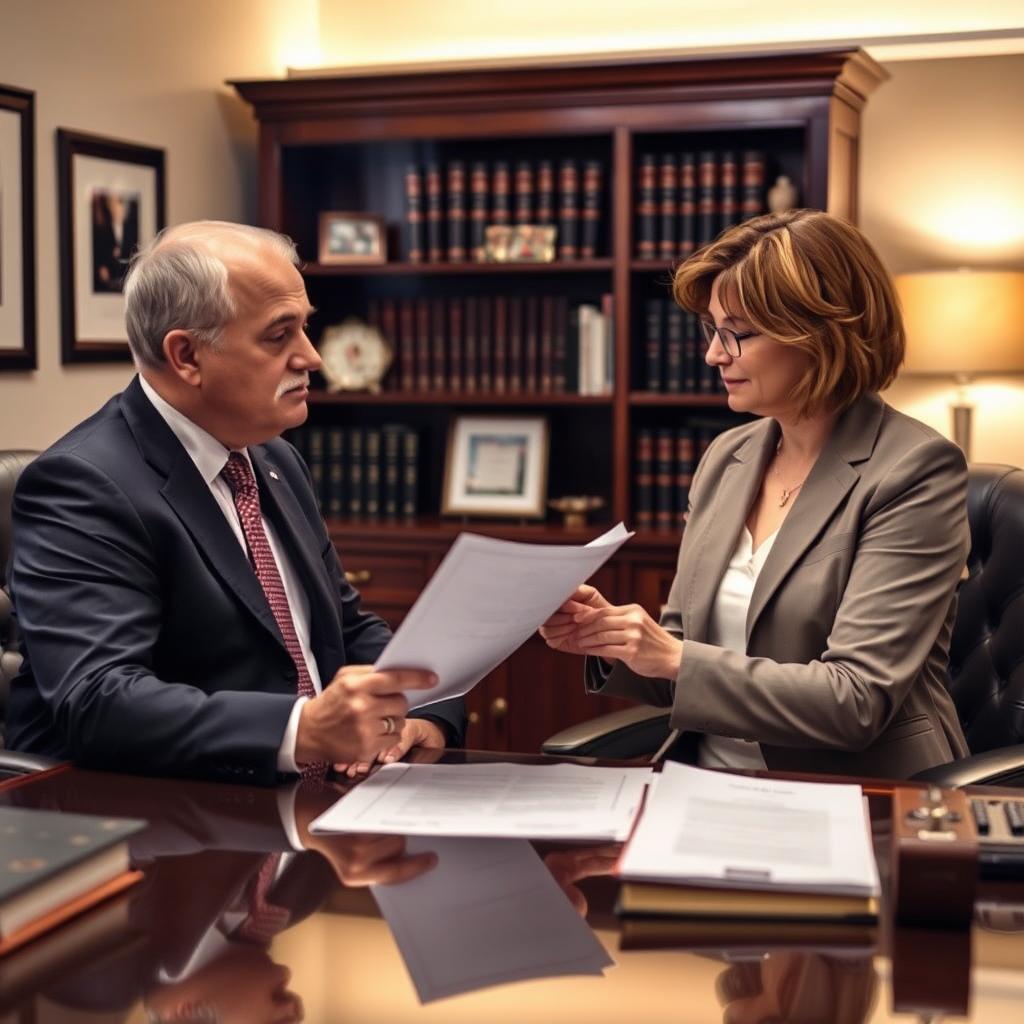
Kinship Adoption Lawyer Lexington, VA
Margaret, a grandmother living in Lexington, took in her young grandson after her daughter was unable to provide care. For two years, she managed day‑to‑day needs, enrolled him in school, and attended parent‑teacher conferences — but every time she tried to authorize medical care or travel, she faced the same question: Are you his legal parent? A kinship adoption attorney can turn that de facto relationship into a legally recognized family. Reach Law Offices Of SRIS, P.C. at (888) 437‑7747 to discuss your situation. Law Offices Of SRIS, P.C. – Advocacy Without Borders.
Strategy Options for Kinship Adoption
A kinship adoption is more than a change of names on a birth certificate — it is the legal mechanism that permanently replaces a child’s existing parent‑child relationship with one built on the care and commitment you have already been providing. The goal is to secure a stable, lifelong legal connection. In Lexington, and throughout the Twenty‑fifth Judicial District, the process is managed through the Lexington Circuit Court, which has exclusive jurisdiction over adoption matters.
The strategic path depends on your unique family dynamics. In a straightforward matter — where both living biological parents voluntarily consent — an experienced kinship adoption lawyer can guide you through an uncontested petition. In more complex cases, such as when a parent’s whereabouts are unknown, a parent is incapacitated, or a parent contests the adoption, the legal work requires careful navigation of notice requirements, potential termination of parental rights, and the court’s “best interests of the child” standard. Mr. Sris and his Of Counsel team work with families to identify the most appropriate strategy, always focusing on building a clear record that supports the stability the child already knows.
Many families worry about the involvement of the Virginia Department of Social Services. A kinship adoption is distinct from a foster‑care adoption; you are not required to work through the agency system unless the child has been formally placed in foster care. For a grandparent, aunt, uncle, or sibling who has been caring for the child privately and wants to cement that relationship, private legal adoption is the mechanism that fits. For a full statutory breakdown, see our comprehensive analysis on the firm’s main site.
What to Expect During the Kinship Adoption Process
The path to a finalized kinship adoption proceeds through three main phases: preparation and filing, the court’s investigation and hearing, and finalization. While every family’s timeline varies based on court scheduling and case complexity, understanding the general rhythm helps reduce anxiety.
First, your attorney gathers the necessary documents and files the petition for adoption in the Lexington Circuit Court. In Virginia, kinship adoptions follow the procedures set out in Code of Virginia Title 63.2. The petition must identify the child, the petitioner, and the biological parents, and it should include a statement that the adoption serves the child’s best interests. Depending on the biological parents’ status, you may need to serve notice on each parent, or your lawyer may request that the court dispense with consent or notice under appropriate legal grounds.
Second, the court conducts a review. A guardian ad litem may be appointed to represent the child’s interests. The court may also order a home study, though in many private relative‑adoption matters the court will evaluate the child’s existing living situation without an intrusive investigation. The hearing itself is generally brief when the adoption is unopposed; the judge will ask the petitioner to affirm the relationship and the commitment. If a biological parent contests the adoption, the court holds an evidentiary hearing to weigh the evidence under the statutory factors and the child’s best interests.
Finally, if the court grants the petition, a final order of adoption is entered. That order ends any legal relationship between the child and the former parent — including rights to custody, visitation, and inheritance — and creates a new permanent parent‑child relationship. A new birth certificate can be issued.
The Legal Impact of a Kinship Adoption
When a Virginia Circuit Court finalizes a kinship adoption, the legal effects are immediate and enduring. The adoptive relative — the grandmother, aunt, uncle, or sibling — becomes the child’s legal parent for all purposes. The child gains the same inheritance rights as a naturally born child of the adoptive parent. Simultaneously, the rights and duties of the biological parent(s) whose rights were terminated are extinguished; that parent no longer has any claim to custody, visitation, or decision‑making authority.
In Lexington, the Circuit Court takes these orders seriously. The court’s decree is not easily vacated. For the adopting relative, it means you can authorize medical treatment, enroll the child in school, manage the child’s finances, and make all parental decisions without permission from the biological parent. For the child, it provides security: a permanent home and the dignity of a legal family. It is critical to approach the process correctly the first time, because an improperly handled adoption may later be challenged — a risk a knowledgeable adoption attorney works to eliminate.
Mr. Sris and his Of Counsel bring extensive combined legal experience to family‑law matters. Results may vary.
Why Families in Lexington Turn to Law Offices Of SRIS, P.C.
Mr. Sris, Owner and Founder of Law Offices Of SRIS, P.C., has guided families through adoption and related family‑law matters since 1997. A former prosecutor, he understands how courts evaluate evidence and parental fitness — knowledge that proves invaluable when a kinship adoption is contested. His Of Counsel team includes lawyers with deep familiarity with Virginia’s juvenile and domestic relations courts, as well as with the Lexington Circuit Court. Together, they draw on a breadth of first‑hand courtroom experience to anticipate procedural hurdles and craft petitions that clearly present each family’s circumstances.
Because the firm serves clients across multiple states — Virginia, Maryland, the District of Columbia, New Jersey, and New York — the team is also equipped to handle adoptions that cross jurisdictional lines, such as when a biological parent resides in another state. For families in Lexington and the surrounding Rockbridge County area, the firm’s Shenandoah Location provides a convenient, accessible point of contact.
Mr. Sris testified before the Virginia House Courts of Justice Committee in support of 2019 HB 635 (chief patron Del. David Bulova), reflecting a sustained commitment to family‑law policy in the Commonwealth. When you call (888) 437‑7747 to schedule a consultation, you speak with a firm that has spent decades focused on achieving favorable outcomes for children and families.
Questions Families in Lexington Often Ask About Kinship Adoption
What exactly is a kinship adoption in Virginia?
A kinship adoption is a legal proceeding in which a child’s relative — such as a grandparent, aunt, uncle, or sibling — becomes the child’s permanent legal parent. It differs from foster‑care or agency adoption because the child is already living with the relative and the placement is private. The process severs the biological parent’s rights and creates a new parent‑child relationship, giving the adoptive relative all the legal authority to make decisions for the child. In Lexington, these adoptions are filed in the Circuit Court.
Who can petition for a kinship adoption in Lexington?
Virginia law allows relatives within certain degrees of kinship to petition — typically grandparents, aunts, uncles, and adult siblings. The petitioner must be at least eighteen years old, a resident of Virginia for at least six months prior to filing, and must demonstrate that the adoption serves the child’s best interests. A knowledgeable Lexington kinship adoption lawyer can confirm your eligibility and walk you through the requirements, including any background checks the court may request.
Do I need consent from the biological parents?
In most kinship adoptions, consent is required from each living biological parent whose rights are to be terminated, but Virginia law provides exceptions. Consent may be dispensed with if a parent has abandoned the child, is unable to consent due to mental incapacity, has been convicted of certain crimes against the child, or has had their parental rights terminated by another court order. When a parent cannot be located, the court may allow service by publication. A thorough investigation of each parent’s status is part of the strategy your attorney will map out.
How long will the adoption process take in Lexington?
The timeline for a kinship adoption varies significantly depending on whether the adoption is contested, the court’s calendar, and how quickly required documents are obtained. An uncontested adoption with full consent from both parents tends to move more quickly through the system than one requiring notice by publication or a contested hearing. Your attorney handles each procedural step, from preparing the petition to presenting your case to the judge, working to move the matter forward while making sure every detail is correct. For a more personal discussion of what you might expect, reach our firm at (888) 437‑7747.
Will the biological parents have any rights after the adoption is final?
No. Once the Lexington Circuit Court enters a final order of adoption, the biological parent’s rights — including custody, visitation, and inheritance rights — are permanently terminated. The child becomes the legal child of the adoptive relative for all purposes. The biological parent cannot later seek custody or visitation, and the adoptive relative does not need the former parent’s permission for any decision. This finality is one of the principal reasons families choose adoption over temporary guardianship arrangements.
What if a biological parent contests the kinship adoption?
A contested kinship adoption shifts the proceeding to a contested trial in the Lexington Circuit Court, where the judge will hear evidence and decide based on the child’s best interests. The parent opposing the adoption has the right to present witnesses and cross‑examine yours. The court’s decision will weigh factors such as the parent’s relationship with the child, the parent’s fitness, the child’s adjustment to the home, and the length of time the child has lived with the relative. An attorney who is comfortable in the courtroom and who can marshal the relevant evidence — including testimony from teachers, neighbors, and medical providers — makes a substantial difference in how the court views the evidence. Mr. Sris, a former prosecutor, brings that courtroom experience to every contested adoption matter.
Take the next step for your family. To schedule a consultation and discuss your kinship adoption, call Law Offices Of SRIS, P.C. at (888) 437‑7747. The firm’s Shenandoah Location serves families throughout Lexington and Rockbridge County. Evening and weekend appointments are available by arrangement.
Law Offices Of SRIS, P.C.
Shenandoah Location
Phone: (888) 437‑7747
By appointment only. Call to schedule.
For a full statutory breakdown, see our comprehensive analysis on the firm’s main site.
Attorney advertising. Prior results do not guarantee a similar outcome. Case results depend on a variety of factors unique to each case. Results may vary.