
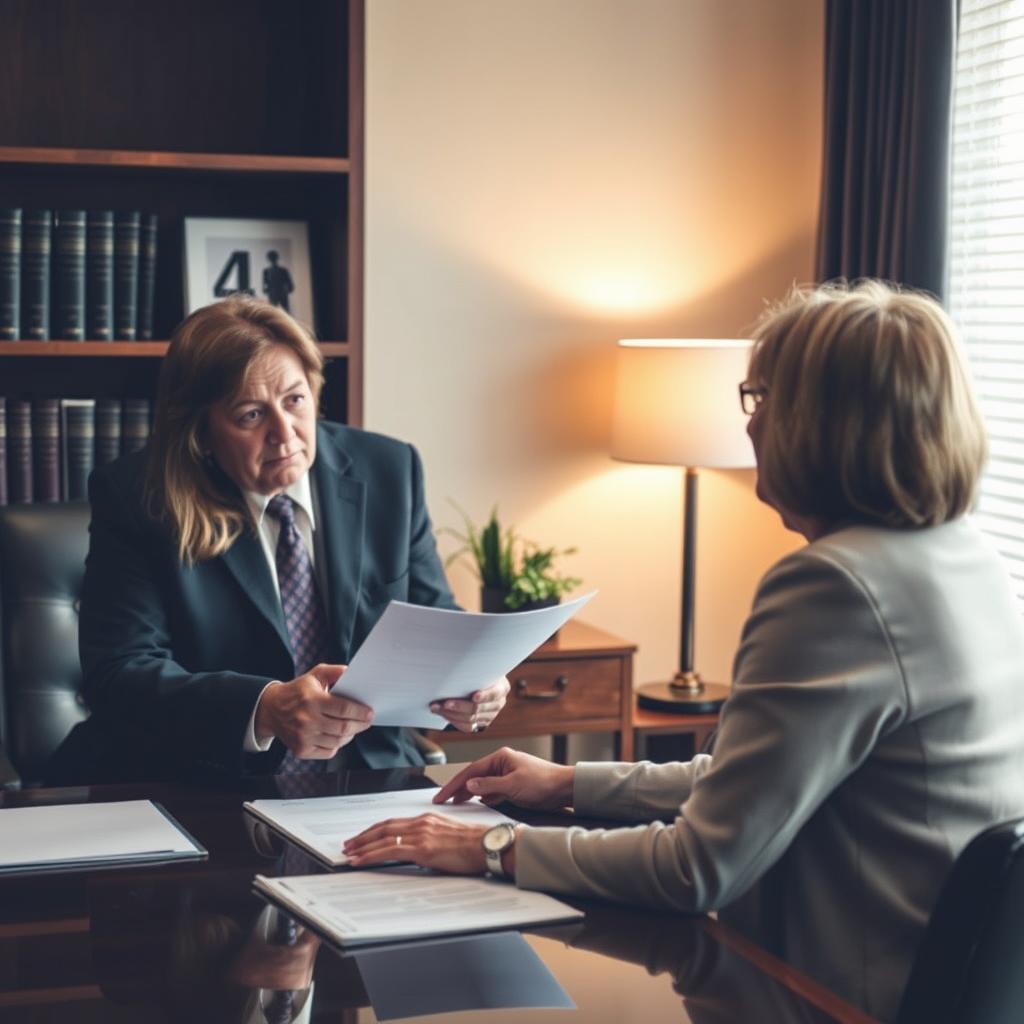
Standby Guardianship Lawyer Lexington, VA
Standby guardianship is a legal arrangement available to parents in Virginia who wish to designate a trusted person to care for their minor child if a specified future event—such as the parent’s incapacity, deployment, or death—occurs. In Lexington, an independent city nestled in the Shenandoah Valley and home to Virginia Military Institute and Washington and Lee University, families often seek the stability that a court-approved standby guardian provides. The process is governed by Virginia Code § 64.2‑2000 et seq. And is handled in the Lexington Juvenile and Domestic Relations District Court or the Lexington Circuit Court at 2 South Main Street, under the Twenty‑fifth Judicial District. Whether the petition arises from a parent’s health concerns, military obligations, or a desire to secure a child’s future, Mr. Sris and his Of Counsel team bring practical, multi‑state legal experience to these sensitive proceedings. A standby guardianship can help avoid a contested custody battle or a court‑appointed guardianship after a parent’s sudden absence. By designating a standby guardian now, a parent retains the power to choose who will raise the child, and the court’s advance approval gives the guardian legal authority without delay when the need arises. The firm’s Shenandoah location in Woodstock serves clients throughout the Lexington area, providing legal guidance tailored to the local court’s expectations. If you are considering a standby guardianship for your child, contact Law Offices Of SRIS, P.C. at (888) 437‑7747 to schedule a consultation. Law Offices Of SRIS, P.C. – Advocacy Without Borders.
What Standby Guardianship Means in Lexington, VA
In Lexington, standby guardianship is a planning mechanism that provides continuity for a child’s care. The courts—the Lexington Juvenile and Domestic Relations District Court for matters involving custody and support, and the Lexington Circuit Court for higher‑jurisdiction matters—review petitions filed by a parent. The parent identifies the potential future guardian, describes the triggering event (such as a terminal illness, incapacitation, or relocation for military service), and requests that the court confirm the appointment in advance. The court’s analysis centers on the “best interests of the child” standard under Virginia law. Because the standby guardian’s role activates only when the triggering event occurs, the parent retains full authority until that point. The Lexington courts handle these petitions with care, recognizing the gravity of a parent’s decision. Law Offices Of SRIS, P.C. is familiar with local court procedures and can present a comprehensive petition that addresses the statutory factors.
The Shenandoah Valley region, anchored by I‑81 and Route 11, includes Lexington as a hub for families associated with the two universities and the surrounding rural areas. Many parents in the community consider standby guardianship as part of a broader estate and family plan. A standby guardian can be a relative, a close family friend, or anyone the parent trusts. The court must be satisfied that the proposed guardian is suitable and that the arrangement is in the child’s best interests. Because the process requires detailed factual submissions, working with an attorney who understands the Lexington courts helps avoid procedural delays. Mr. Sris and his Of Counsel guide parents through the planning stage, ensuring that all necessary documents are properly prepared and that the parent’s wishes are clearly and convincingly presented to the judge.
How Mr. Sris and His Of Counsel Handle Standby Guardianship Cases
The process typically begins with a confidential consultation, during which Mr. Sris and his Of Counsel review the parent’s circumstances, discuss the child’s needs, and identify a suitable standby guardian. The attorney then drafts the petition for standby guardianship in accordance with Virginia Code § 64.2‑2000 et seq. The petition details the triggering event, the relationship between the child and the proposed guardian, and evidence that the appointment serves the child’s best interests. Once the petition is ready, the firm files it with the appropriate Lexington court—either the Juvenile and Domestic Relations Court or the Circuit Court, depending on the case’s complexity—and schedules a hearing.
At the hearing, Mr. Sris or his Of Counsel presents the parent’s case, answers the court’s questions, and argues why the standby guardianship should be granted. The attorney ensures that all statutory requirements are met and that any objections or concerns raised by the court are addressed proactively. Throughout the proceeding, the firm maintains open communication with the parent, explaining each step and advising on the practical implications of the order. After the court issues the standby guardianship decree, the parent retains full decision‑making authority until the triggering event actually occurs. The firm also assists with subsequent legal tasks, such as updating the child’s school and medical records to reflect the standby guardian’s eventual role.
About Mr. Sris and His Of Counsel Team
Mr. Sris, Owner and Founder of Law Offices Of SRIS, P.C., founded the firm in 1997. A former prosecutor, he is admitted in Virginia, Maryland, the District of Columbia, New Jersey, and New York. Mr. Sris testified before the Virginia House Courts of Justice Committee in support of 2019 HB 635 (chief patron Del. David Bulova). He brings his experience as a former prosecutor to family law cases, providing Lexington families with strong advocacy grounded in a thorough understanding of Virginia’s legal system.
Mr. Sris is supported by a team of Of Counsel attorneys, each engaged through Excella and bringing practical experience to the firm. Together, Mr. Sris and his Of Counsel combine multi‑state legal perspectives with a detailed understanding of Virginia’s guardianship laws. The firm’s Shenandoah location, at 505 N Main St, Suite 103, Woodstock, VA 22664, serves clients in Lexington and the surrounding region. To request a consultation, call (888) 437‑7747.
Frequently Asked Questions
What is standby guardianship in Virginia?
Standby guardianship is a legal arrangement under Virginia Code § 64.2‑2000 et seq. That permits a parent to designate a person to become the child’s guardian upon the occurrence of a specified future event, such as the parent’s incapacity, death, or extended absence. It allows a parent to plan ahead for the child’s care without giving up current parental rights. The court must approve the arrangement after determining that it serves the child’s best interests. Until the triggering event, the parent retains full authority. This is distinct from immediate guardianship or custody modification, as the guardian’s authority is contingent and only activates when the event occurs. Parents often use it to avoid a custody battle or court‑appointed guardianship in an emergency.
Who can be a standby guardian in Lexington, Virginia?
Any adult whom the parent trusts and whom the court finds suitable may serve as a standby guardian, as long as the appointment is consistent with the child’s best interests. The person may be a relative, a family friend, or a godparent. The court evaluates factors such as the relationship between the child and the proposed guardian, the guardian’s stability and capacity to care for the child, and any history that might raise concerns. The parent’s choice carries significant weight, but the court retains discretion to reject a candidate who is not fit.
What is the difference between standby guardianship and regular guardianship in Virginia?
The key difference is that a standby guardianship does not take effect until a future triggering event occurs, whereas a regular guardianship is effective immediately upon the court’s order. With regular guardianship, a parent may need to relinquish custody right away, often because of incapacity or unfitness. Standby guardianship, by contrast, allows the parent to keep full legal and physical custody while designating a successor for the future. This planning tool is particularly useful for parents who are facing a progressive illness or who will be deployed overseas.
Do I need a lawyer for standby guardianship in Lexington?
You are not legally required to have a lawyer, but due to the legal and procedural requirements under Virginia law, having an attorney significantly improves the likelihood that the petition will be approved. The petition must include specific details, evidence of the triggering event’s likelihood, and a showing of best interests. Mistakes in drafting or failure to present compelling evidence can lead to denial. A lawyer familiar with the Lexington courts can navigate the process efficiently, ensure all documents comply with local rules, and advocate effectively at the hearing. For help, contact Law Offices Of SRIS, P.C. at (888) 437‑7747.
How long does a standby guardianship case take in Lexington?
The timeline varies based on the court’s calendar and the complexity of the petition; a straightforward case may be resolved in a few months, but contested matters can take longer. Once the petition is filed, the court schedules a hearing. In uncontested cases where all parties agree and the documents are in order, the court can promptly issue the order. If there are objections—for example, from the other parent or a relative who wants to be the guardian—the process can extend significantly. Consulting with a lawyer early helps you understand the potential timeline for your specific situation.
Can a standby guardianship be revoked or changed?
Yes, the parent who initiated the standby guardianship may revoke or modify the arrangement at any time before the triggering event occurs, as long as the parent remains competent. If circumstances change—such as a move, a change in the guardian’s suitability, or reconciliation with a co‑parent—the parent can file a motion with the court to withdraw the standby appointment. The court will then consider the request and, if satisfied, terminate the standby guardianship. After the triggering event has occurred and the guardian has assumed the role, modification would proceed under standard guardianship termination rules, which generally require a showing of a material change in circumstances.
For more information, see the Virginia guardianship statutes at Virginia Code Title 64.2 (Guardians and Conservators) and the Lexington court system at Lexington Combined Courts.
Attorney advertising. Prior results do not guarantee a similar outcome.
Results may vary.
Case results depend on a variety of factors unique to each case.